Where to stay in Tokyo
The six areas in this guide lie between about 8 and 24 km from Haneda by road, and all but Kamata within about 8 km of Tokyo Station. They differ in what surrounds the hotel, in how private rentals are allowed, and in the drive to the airport.
Last checked
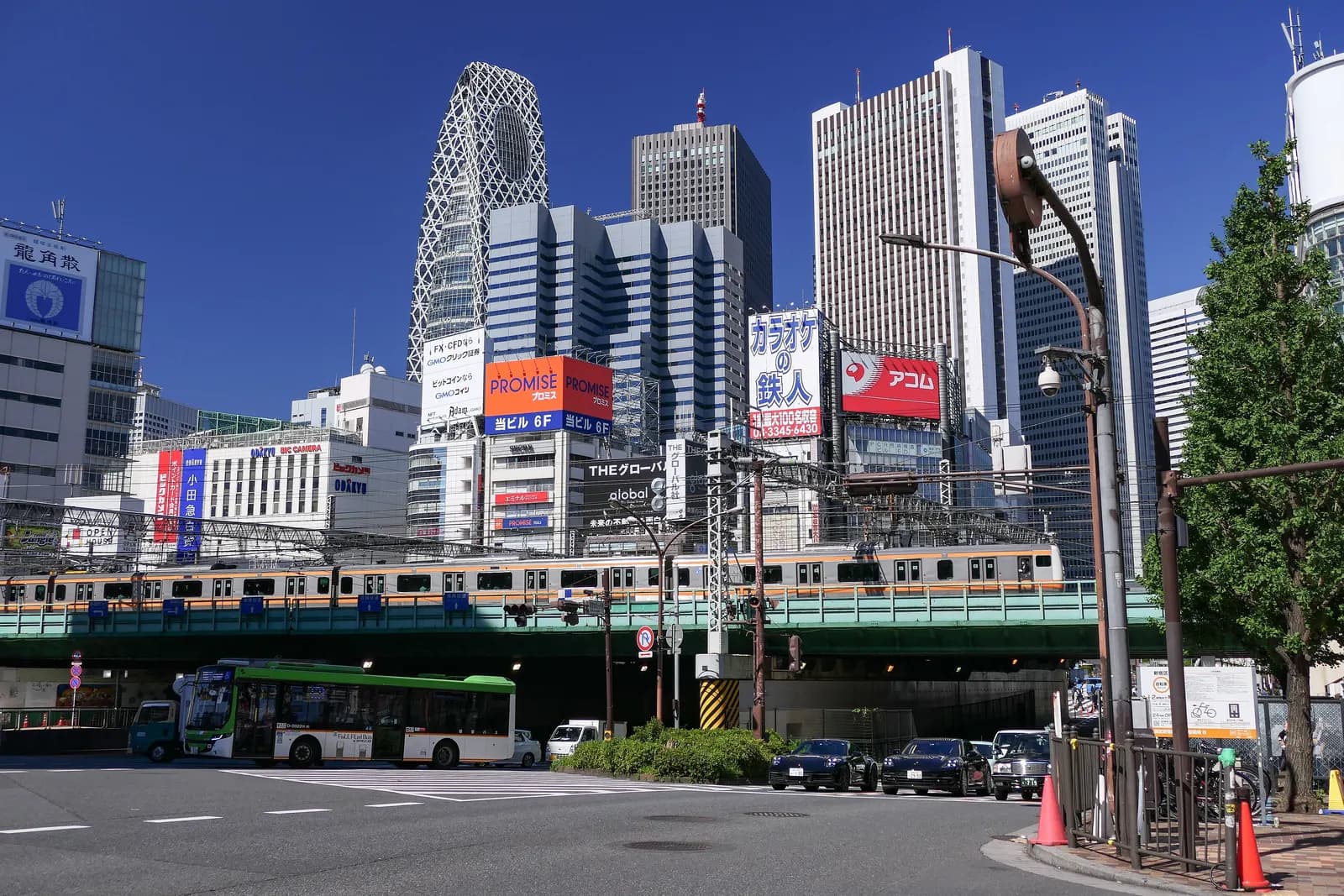
How the areas differ
Shinjuku is a commercial and administrative centre built around Shinjuku Station, the busiest railway station in the world, with the towers of Nishi-Shinjuku and the Tokyo Metropolitan Government Building. Shibuya, about 8 km from Tokyo Station by road like Shinjuku, is the ward of Shibuya Crossing and of Harajuku, Ebisu and Omotesandō; the area around its station has been under redevelopment since 2010, with work scheduled to run to fiscal 2034.
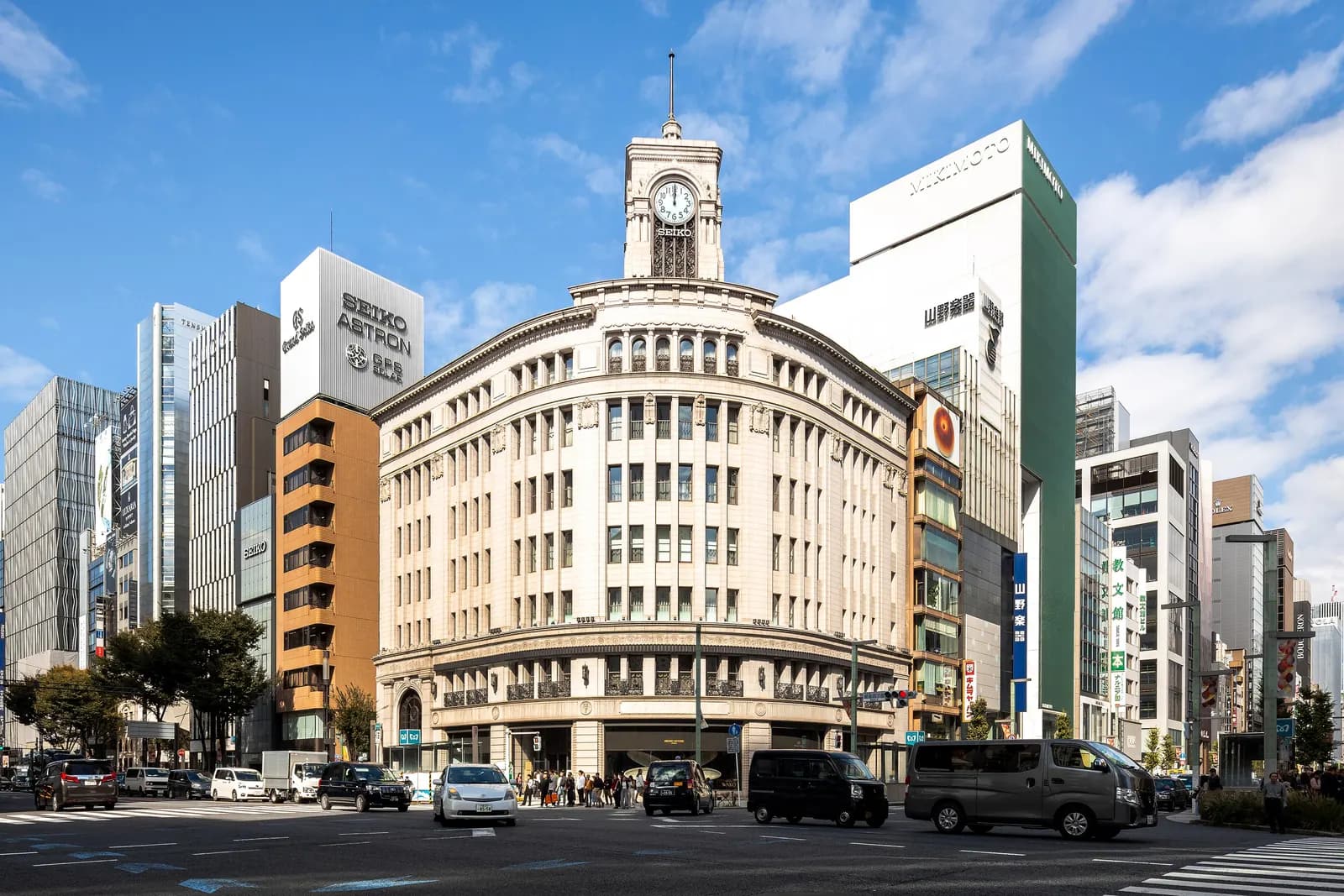
Ginza is the upscale shopping district of Chūō, about 2 km from Tokyo Station, the terminal for the Shinkansen and other inter-city trains. Asakusa and Ueno, in Taitō, belong to the old Shitamachi: Asakusa is known for the Sensō-ji temple, and Ueno has Ueno Park with the Tokyo National Museum.
Two areas face the airport. Shinagawa Station, in Minato, is on the Tōkaidō Shinkansen and about 15 minutes from Haneda by train (via GetCar). Kamata is a district of Ōta, the ward that holds Haneda, about 8 km away by road.
Staying with a rental car
Japanese law bars using a road as a car's parking place and leaving a car in the same spot on a road for 12 hours or more, or 8 hours or more between sunset and sunrise, with fines up to JPY 200,000. The rule applies across the 23 special wards. On the street, a car may stand only where a sign or a police meter allows it, for 60, 40 or 20 minutes, and a meter cannot be paid again to stay longer. A car left in a no-stopping place costs JPY 18,000 and 3 points, in a no-parking place JPY 15,000 and 2 points (via GetCar).
The car sleeps in a coin car park or a hotel garage. Coin car parks charge by the 12, 15 or 20 minutes with a daily maximum on the board at the entrance; hotel and department store garage rates vary and were not verified (via GetCar). Ask the hotel whether it has a garage, and what it charges, before booking.
In Ginza, Chūō-dōri closes to cars as a pedestrian zone on Saturdays, Sundays and national holidays, from noon to 5 p.m. between October and March and to 6 p.m. between April and September. Ginza's official site recommends three car parks, Nishi-ginza, Tokyu Plaza Ginza and Ginza Six, each with free or discounted parking against purchases.
Kamata and Shinagawa are the shortest drives to Haneda, about 8 and 13 km by road; from Ginza it is about 18 km and from Shinjuku about 24 km. Narita is about 67 km from Asakusa and about 71 km from Ginza. GetCar's guide Driving in Tokyo covers the permit Japan accepts, the Haneda and Narita counters, the expressway tolls and the ETC card, and the Japanese road rules.
What the tax and registration rules mean for a guest
Tokyo's accommodation tax is paid by guests of hotels and ryokan, per person per night, on the room-only rate before consumption tax: nothing below JPY 10,000, JPY 100 from JPY 10,000 to under 15,000, and JPY 200 from JPY 15,000. Meals and parking do not count towards the rate, and in a shared room the rate is split per person. The hotel collects it, sometimes separately at the front desk. Consumption tax adds 10% to the room.
The rules change on 1 April 2027: the tax becomes 3% of the room-only rate per person per night, stays under JPY 13,000 are not taxed, and minpaku and simple lodging join hotels and ryokan. The ordinance passed on 27 March 2026.
Private rentals are legal in three forms: a home registered under the Private Lodging Business Act, which may host guests up to 180 nights a year and posts a sign where the public can see it; a special-zone rental, as in Ōta, with a stay of at least 2 nights; or a lodging with a licence under the Inns and Hotels Act. Wards add their own limits. Chūō City allows registered homes to host only from Saturday noon to Monday noon; Shinjuku bars them from Monday noon to Friday noon in residential-only zones; Taitō bars weekdays for homes registered from 1 October 2026.
Hotels and registered private rentals record the nationality and passport number of foreign guests without an address in Japan, and the government asks guests to show the passport and let it be copied.
When to book what
Check the ward rule before booking a private rental for weekdays, and ask the host whether the home is registered, licensed or in a special zone. The 3% tax starts on 1 April 2027; how bookings made before then are treated was not verified. The International Tourist Tax of JPY 3,000 per departure, in force since 1 July 2026, comes with the air fare. Collect a rental car on the morning you leave the city, as GetCar's guide advises, since every night in the centre needs an off-street space.
Which area for which trip
A first visit with trains in every direction: Shinjuku.
Shopping near one of the busiest stations in the world: Shibuya.
A short central stay and the Shinkansen: Ginza and Tokyo Station.
Temples, museums and the old city: Asakusa and Ueno.
Early flights and trips west: Shinagawa.
A car collected at Haneda, or a longer private rental: Kamata.
Questions
Which area of Tokyo is best for a first visit?
Shinjuku, around the busiest railway station in the world, or Ginza, about 2 km from Tokyo Station. Asakusa and Ueno suit sightseeing in the old city.
Can a rental car stay on the street overnight in Tokyo?
No. Japanese law bars leaving a car in the same spot on a road for 8 hours or more at night, or 12 hours by day, with fines up to JPY 200,000. Use a coin car park or a hotel garage.
Is Ginza's main street open to cars at weekends?
Not in the afternoon. Chūō-dōri is a pedestrian zone on Saturdays, Sundays and national holidays from noon to 5 p.m., to 6 p.m. from April to September.
Do private rentals in Tokyo pay the accommodation tax?
Not until 1 April 2027. From then minpaku, simple lodging, hotels and ryokan pay 3% of the room-only rate per person per night at JPY 13,000 and over.
How far is Haneda from central Tokyo?
About 20 km by road to Tokyo Station, about 18 km to Ginza and about 24 km to Shinjuku. Kamata is about 8 km away.