A month in Tokyo
A month in Tokyo can be a hotel stay, a registered private rental, a special-zone rental or a flat rented as a home. Ward rules decide which of these works, and a car needs a garage every night.
Last checked
What a month is under Japanese law
Japan allows private lodging in three forms. A home registered under the Private Lodging Business Act may host guests up to 180 nights a year, counted from noon on 1 April. A special-zone rental under the National Strategic Special Zones Act needs a stay of at least 2 nights and has no yearly cap; Ōta, the ward around Haneda, was the first in Japan to allow them, in January 2016, and had 481 certified ones at 30 June 2026. Anything else that lodges guests for a fee needs a licence under the Inns and Hotels Act, which also covers boarding houses charged by the month.
Renting a flat as a home is a different thing. The health ministry separates hotel business from renting rooms such as apartments by two tests: whether the operator is responsible for keeping the rooms clean, and whether the guest has a principal residence there.
The areas that suit a month
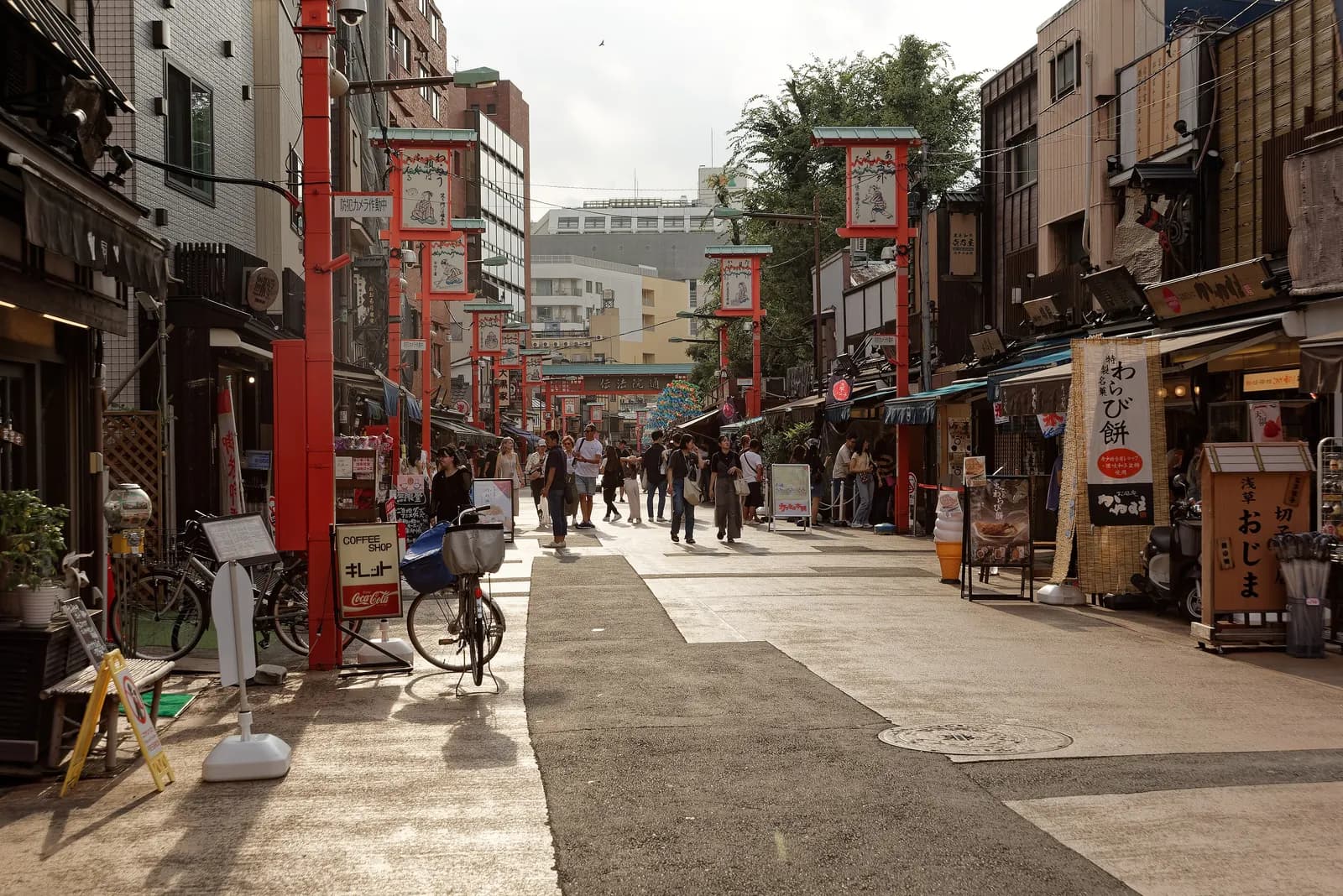
Ward rules narrow the choice. Chūō City, with Ginza, lets registered homes host only from Saturday noon to Monday noon, so a month there means a hotel or a rented flat. Taitō, with Asakusa and Ueno, bars weekday stays in homes registered from 1 October 2026, while homes registered earlier keep the older rule. Shinjuku bars registered private rentals from Monday noon to Friday noon only in its residential-only zones.
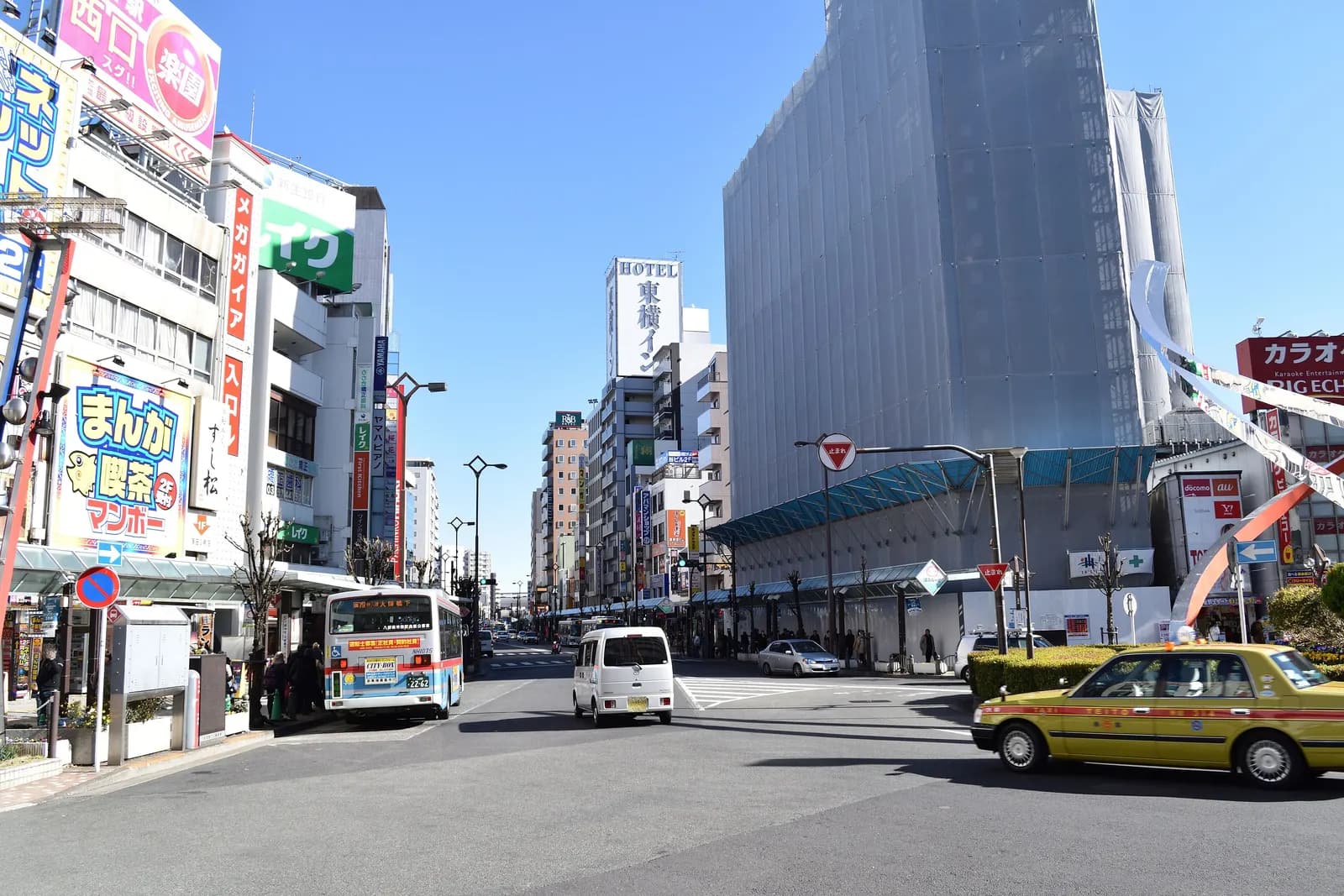
Kamata and the rest of Ōta suit a month in a special-zone rental, with Haneda about 8 km away by road. Shinjuku outside its residential-only zones suits a month close to the busiest station in the world. These choices follow from the rules; the stock on offer was not checked.
Tax on a month
The accommodation tax runs per person per night in hotels and ryokan: JPY 100 at a room-only rate of JPY 10,000 to under 15,000 per person, JPY 200 from JPY 15,000, nothing below. A 30-night hotel month at JPY 15,000 or more per person per night adds JPY 6,000 per person. From 1 April 2027 the tax becomes 3% of the room-only rate at JPY 13,000 and over, and applies to registered and special-zone rentals as well. A flat rented as a home is not on the list of taxed lodgings. Consumption tax is 10%.
The paperwork
Citizens of all 27 EU states, the UK and the US may enter Japan without a visa for 90 days, so a month fits. Nationals of the UK, Ireland, Germany, Austria and Switzerland may stay up to 6 months by applying for an extension at a regional immigration bureau before the 90 days run out. UK travel advice warns that working without the right visa is illegal, however informal or temporary the work.
Hotels and registered private rentals record the nationality and passport number of a foreign guest without an address in Japan, and the government asks to see and copy the passport. UK travel advice also describes Japan as a cash-based society where cards issued abroad can be hard to use, and cash machines at post offices, 7-Eleven stores and JP Post Bank accept some foreign cards.
What platforms call a long stay
Airbnb calls a reservation of 28 nights or more a monthly stay: the first month is charged up front and released to the host 24 hours after check-in, later months are charged 10 days in advance, and the price is locked at booking. Its long-term cancellation policy applies to all of these stays and, as a rule, needs 30 days' notice of changes. For a Tokyo listing, the ward rule and the 180-night cap decide whether a month is possible at all.
A car for the month
A month with a car means a month of off-street parking. No car may stay in one spot on a road for 12 hours, or 8 hours at night, and coin car parks charge by the 12, 15 or 20 minutes with a daily maximum on the board (via GetCar). Ask whether the building has a parking space before booking, and compare it with a car hired only for the days out of town.
Pitfalls
Booking a weekday month in a ward that limits private rentals to weekends. Check the ward's rule and ask the host how the home is registered.
Planning a stay past the 90 days. Only some nationalities can extend, and only by applying before the 90 days end.
Counting on foreign cards. UK travel advice warns that they can be hard to use.
Leaving the car on the street overnight. The 8-hour night limit applies across the special wards.
Questions
Can a private rental in Tokyo be booked for a month?
Only where the rules allow. A registered home may host up to 180 nights a year within the ward's limits; a special-zone rental, as in Ōta, has no yearly cap and a 2-night minimum. Chūō City allows registered homes only at weekends.
How long can a visitor stay in Japan without a visa?
90 days for citizens of the EU, the UK and the US. The UK, Ireland, Germany, Austria and Switzerland may extend to 6 months by applying at a regional immigration bureau.
Is there accommodation tax on a month in Tokyo?
In hotels and ryokan, JPY 100 or 200 per person per night above the rate thresholds. From 1 April 2027 it is 3% of the room-only rate at JPY 13,000 and over, private rentals included. A flat rented as a home is not taxed.
Which Tokyo area suits a month?
Kamata and the rest of Ōta for special-zone rentals near Haneda, and Shinjuku outside its residential-only zones. In Ginza, a hotel or a rented flat.