Where to stay in Valencia
Valencia is easy to choose in: the old town, a food district, the beach and a modern quarter all sit within a few kilometres. The car is what separates them.
Last checked
How the areas differ
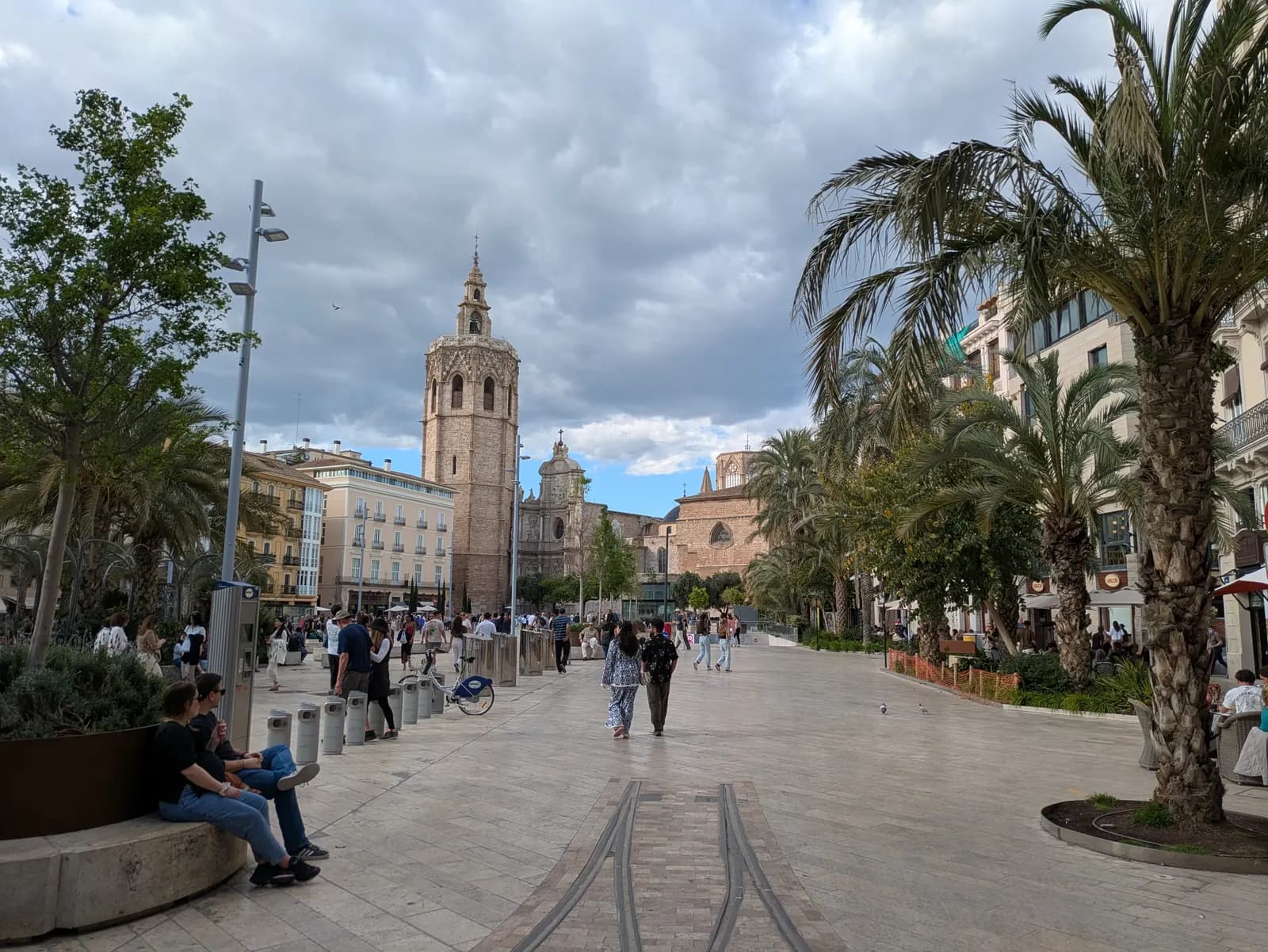
Ciutat Vella is the old town, with the cathedral, the Silk Exchange, the Central Market and the old Turia gardens on foot. Russafa, just south, is the food and nightlife district around its covered market. Benimaclet, to the north near the universities, is a former village with a student and remote-work crowd.
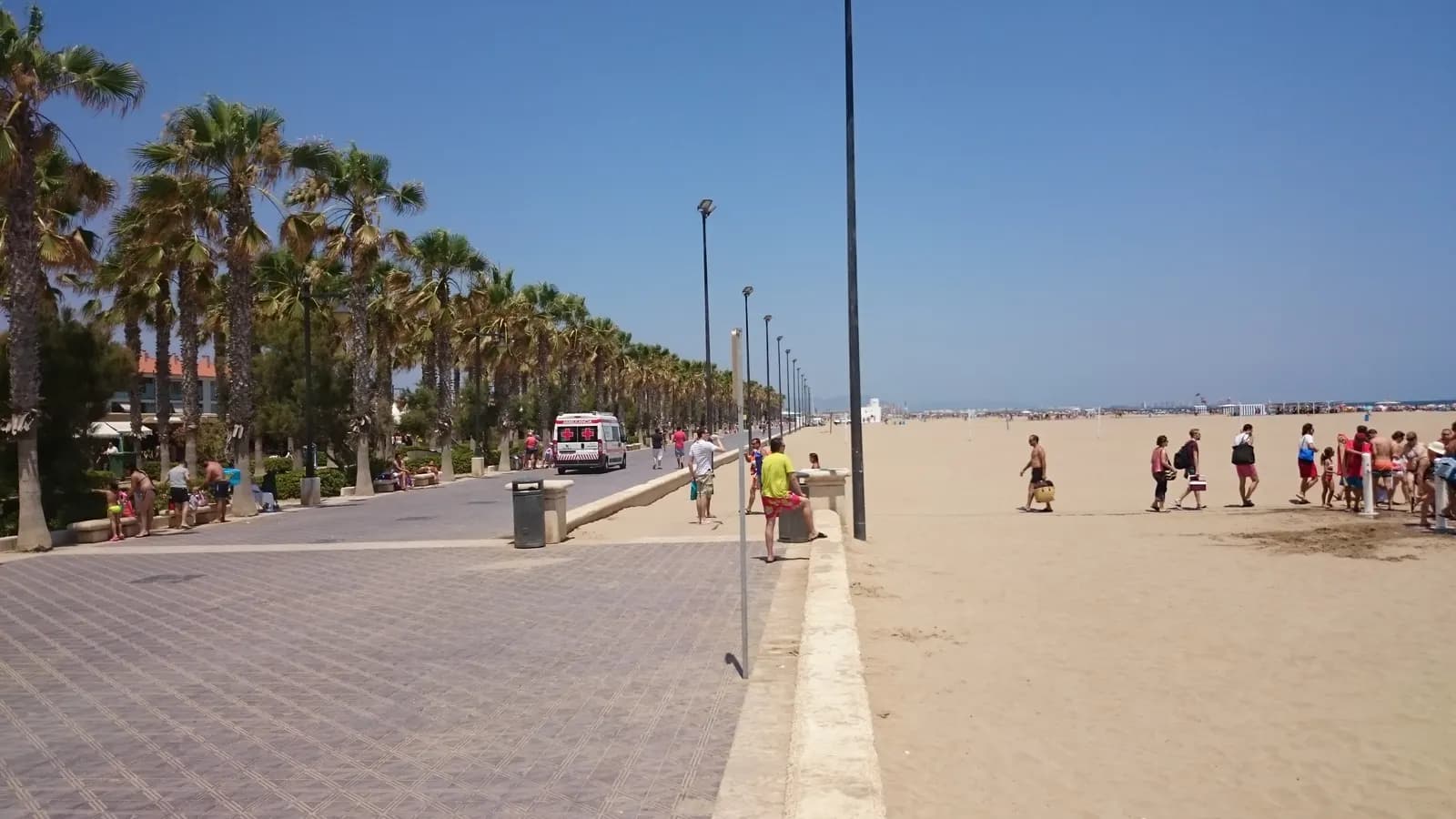
Towards the sea, Ciutat de les Arts sits halfway between the old town and the port, around the City of Arts and Sciences and the Oceanogràfic. Cabanyal and Malva-rosa, the old fishermen's quarter of tiled houses, put the city beach and its promenade at the door. Patacona, in neighbouring Alboraya, is the quieter beach just to the north.
Staying with a rental car
The northern part of the old town, Ciutat Vella Nord, is a residential priority area. Cameras read every plate at its entrances, only authorised vehicles may enter, and an entry not justified within 5 days is fined EUR 60. Hotels inside the zone receive permits for guests, and car parks with plate reading register the cars they take in, so a guest can drive to a hotel or car park inside if the plate is registered first.
Street parking runs on ORA colours. Blue zones cost EUR 1.00 an hour in Ciutat Vella, L'Eixample and Extramurs, with EUR 1.70 for the 2 hour maximum, and EUR 0.80 elsewhere. Orange zones, in Ciutat Vella, Russafa, El Botànic, La Roqueta and La Petxina, cost visitors EUR 2.10 an hour, and visitors may not park there outside paid hours. Green zones are for residents around the clock. Parking is free on public holidays.
There is no citywide low-emission zone in force; the ordinance never received final approval. GetCar's guide Driving in Valencia: the Old Town Cameras, Parking Zones and the Low-Emission Zone covers the roads side in full. For a base, Cabanyal and Ciutat de les Arts avoid both the camera zone and the orange-zone districts.
What the tourist tax and registration rules mean for a guest
No tourist tax was found in force. The Valencian tax on tourist stays was created by Ley 7/2022 and repealed by Decreto-ley 12/2023 in November 2023, before it ever applied. No official statement that no tax applies in 2026 was found, and no newer tax was found either.
Holiday flats are regulated by the region. Under article 65 of the Valencian tourism law, Ley 15/2018, as amended by Decreto-ley 9/2024, a tourist dwelling is a whole property let for tourist purposes for 10 days or less to the same tenant, with a favourable municipal planning report, and rooms may not be let separately. Every advert must show the exact location and the number in the Registro de Turismo de la Comunitat Valenciana; leaving it out is a serious infringement. A listing without that number deserves a question before paying.
At national level, the national registration procedure was largely annulled in May 2026, regional registers still apply (Catalan NIRTC, Valencian tourism register, Andalusian RTA), and whether a national number must still appear on a listing is unsettled as of September 2026. The appeal that led to the ruling was brought by the Generalitat Valenciana. At check-in, expect to give passport or ID details under Real Decreto 933/2021.
When to book what
The rule to plan around is the 10 day limit. Up to 10 nights, a registered tourist flat is a normal booking. Beyond 10 days with the same tenant, the let is no longer a tourist dwelling, and a longer stay needs a seasonal lease; the monthly guide below covers it.
Press reported in May 2026 that the city has approved planning rules capping tourist lodging per neighbourhood, with Ciutat Vella keeping its own special plan. The official text was not read for this guide.
Which area for which trip
A first visit on foot: Ciutat Vella, with the plate registered by the hotel or a car park.
Food, bars and a longer stay: Russafa.
The beach every day: Cabanyal and Malva-rosa, or Patacona for quiet.
Families and museums: Ciutat de les Arts.
A budget month near the universities: Benimaclet.
Questions
How does a hotel guest drive into Ciutat Vella Nord?
Hotels inside the zone receive permits for guests, so ask the hotel to register the plate before arrival. Car parks with plate reading also register the cars they take in. Otherwise an entry not justified within 5 days is fined EUR 60.
What do the ORA colours mean for a visitor?
Blue is open to all at EUR 0.80 to 1.00 an hour. Orange costs visitors EUR 2.10 an hour and is closed to them outside paid hours. Green is for residents only.
Does Valencia have a low-emission zone?
Not a citywide one in force: the ordinance never received final approval.
How can a guest check that a Valencia holiday flat is registered?
Every advert must show the exact location and the Valencian tourism register number. If the number is missing, ask before paying.
Is there a tourist tax in Valencia?
None was found in force; the regional tax was repealed in 2023 before it applied.