Where to stay in Marseille
Marseille's low-emission zone bars Crit'Air 4, 5 and unclassified cars, so the sticker on the rental decides whether it may enter. The tighter limits are how long a car may stand in one space, and the Calanques on a red fire-risk day.
Last checked
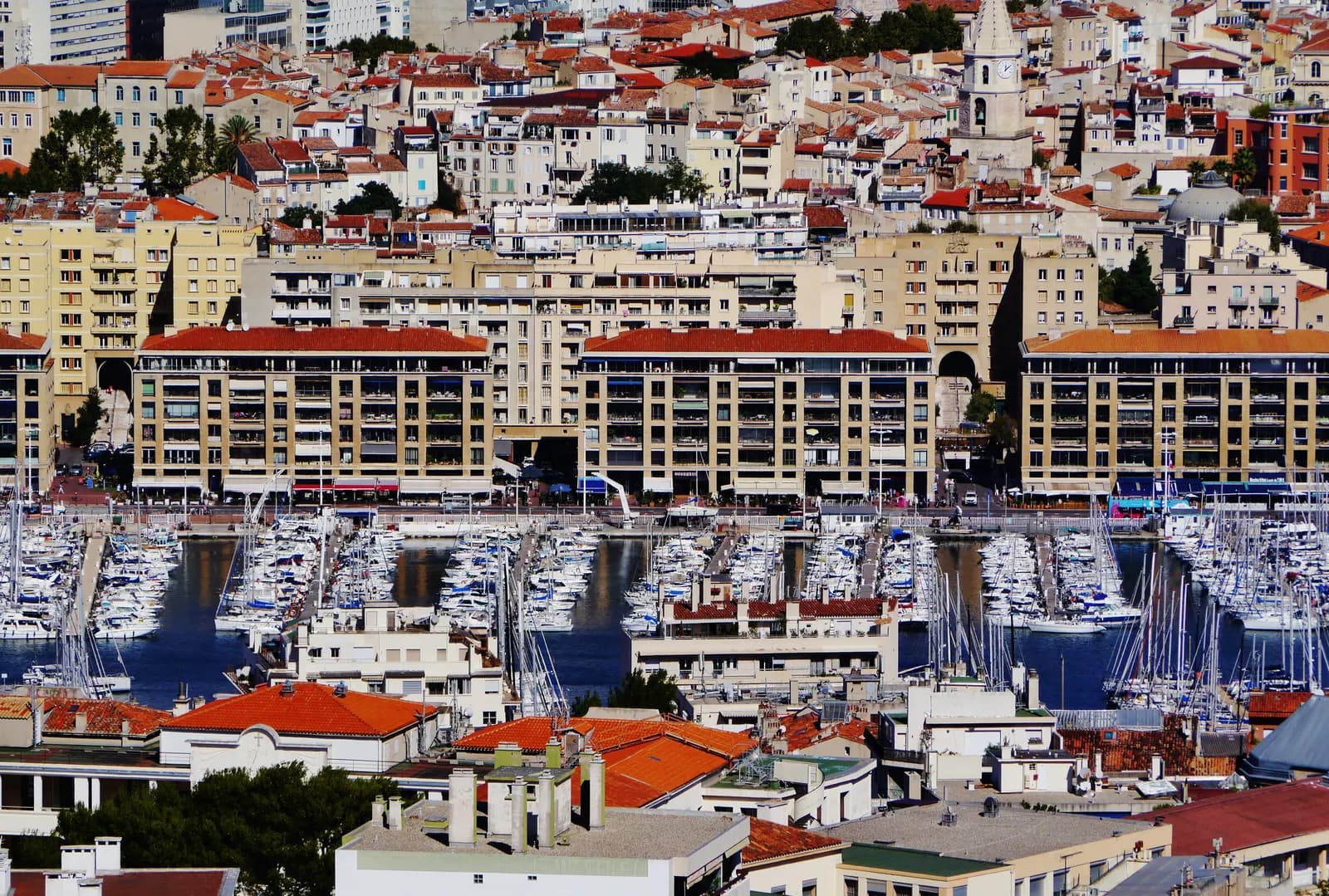
How the quarters differ
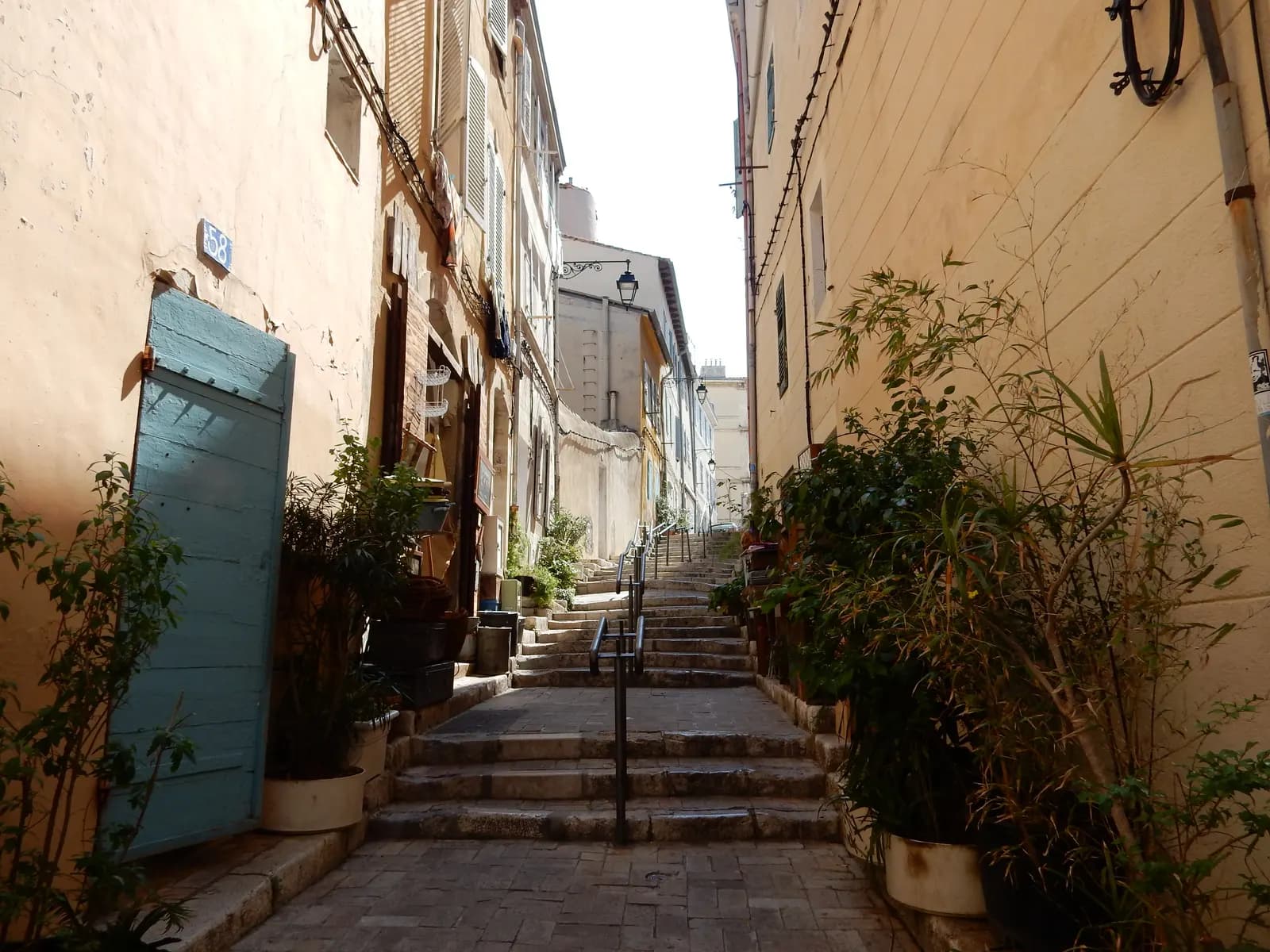
Le Panier rises straight from the Vieux-Port in stepped lanes that have no carriageway at all, and it is under a kilometre from the Quai des Belges. La Joliette and Euroméditerranée lie north of the harbour, about 2 km out, around the MuCEM.
East of the Canebière, Notre-Dame-du-Mont and the Cours Julien fill a slope with a long pedestrian square of cypresses and plane trees, also about 2 km from the port. South of it lie Castellane and the avenue du Prado, also about 2 km from the port, and the Corniche runs out to the sea past the fishing harbour of the Vallon des Auffes, about 3 km from the Quai des Belges.
Les Goudes is the last village at the southern tip of the city, about 11 km from the port and about 38 km from the airport, with the limestone ridge of the Calanques directly behind it.
The low-emission zone and parking
The métropole's low-emission zone covers 19.5 km2 of central Marseille and 314,000 residents, bounded on the inside of the Cap Pinède, Capitaine Gèze, Plombières, Fleming, Duparc, Sakakini, Jean Moulin, Rabatau and Prado 2 boulevards. The A55 flyover and the tunnels stay open to every vehicle. Only Crit'Air 4, Crit'Air 5 and unclassified vehicles are barred, from driving and from parking on public roads alike, and the Crit'Air 3 step was postponed in June 2024 with no new date. Check the Crit'Air sticker on the rental before driving in. The métropole publishes fines of EUR 68 for a light vehicle and EUR 135 for a lorry or coach. Parliament voted to repeal the articles that created the low-emission zones in the law of 26 May 2026; whether the zone is still enforced was unverified as of September 2026. Rental cars for the trip are on GetCar's car rental page for Marseille.
Across the whole commune no vehicle may stand on the same space for more than 24 consecutive hours, on pain of removal to the pound. Inside the paid zone, which is the central quarters, charging runs Monday to Saturday from 9am to 7pm except public holidays, and the maximum stay depends on the colour of the street: 4 hours 30 on a yellow or orange one, 2 hours 30 on a red short-duration one.
The zones were set in October 2016, orange for the hyper centre and yellow for the ring around it. Thirty minutes costs EUR 0.50 and an hour EUR 1.50 everywhere; two hours are EUR 3 in the yellow zone and EUR 4 in the orange; four hours are EUR 6 and EUR 8. Overrunning the maximum costs a forfait post-stationnement of EUR 17. On an ozone or nitrogen dioxide alert of level 1 or above, meter tariffs are doubled.
The Calanques, and when a car is no use
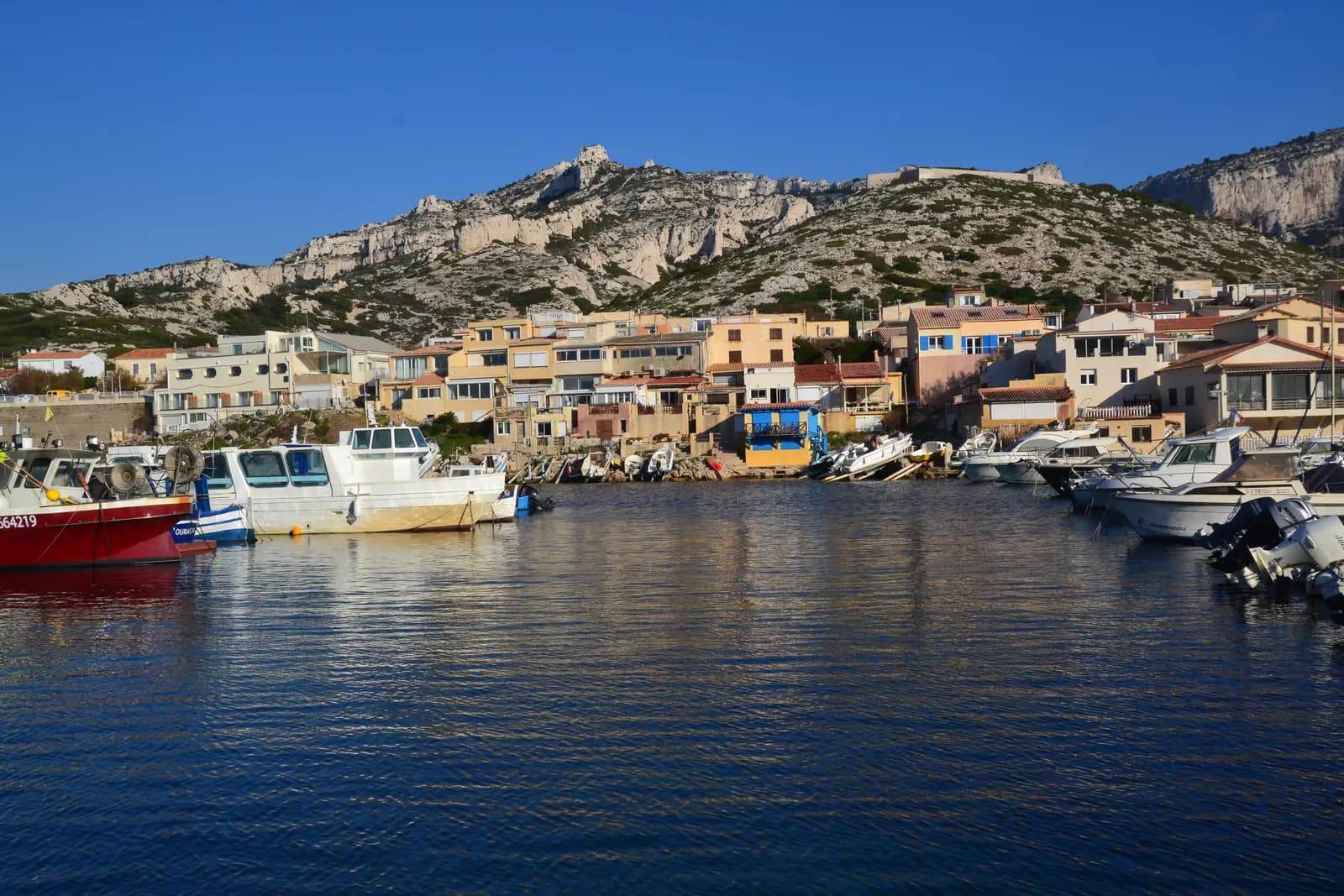
The national park on the city's southern edge is reached mostly by car, 92 per cent of arrivals at its five main gateways. The chemin de la Gardiole was closed to vehicles permanently by its owners from 20 February 2019. Cap Croisette has been shut to cars since March 2021 and the car park at the head of Port-Miou since July 2021. Barriers and control points stand at Logisson, at the entrance to the village of Callelongue, and on the fire roads at Les Baumettes and Sormiou, and arrivals are funnelled into the reshaped car parks at Goudes-Napoléon and Luminy-Kedge.
Summer closes things further. From 1 June to 30 September access to the forest massifs of the Bouches-du-Rhône is governed by prefectoral order, and every day between 5pm and 6pm the prefecture rates the fire risk massif by massif for the following day. On a red day land access to the Parc national des Calanques is forbidden; boats may still sail but no one may land.
The calanque de Sugiton needs a free booking in the busiest weeks. In 2026 that applies on 20 and 21 June, every day from 27 June to 30 August, on 5 and 6 September and on 12 and 13 September. Bookings open three days ahead at 9am and close at 6pm the day before, and take groups of five at most. If the massifs close for fire risk every booking is cancelled and cannot be moved.
The tourist tax and the letting rules
The city collects the tax per person per night from anyone staying for payment who is not domiciled in Marseille. With the 10 per cent departmental addition and the 34 per cent addition the finance law for 2023 created for the Société de la Ligne Nouvelle Provence Côte d'Azur, the city's rate sheet in force since 1 January 2023 puts a night at EUR 5.76 per person in a palace, EUR 4.32 at five stars, EUR 3.25 at four, EUR 2.16 at three, EUR 1.30 at two and EUR 1.09 at one star or in a chambre d'hôtes. Whether a later sheet replaces it was unverified as of September 2026.
An unclassified flat pays 4 per cent of the cost of the night per person before tax, which is 5.76 per cent once the additions are counted, capped at EUR 5.76 per person per night. The host must display the rates in the lodging and show the tax on the invoice separately from its own services; it carries no VAT and is not rounded.
Declaring a meublé de tourisme in Marseille is now entirely online through the city's taxe de séjour site, which issues the registration number that has to appear in the listing. A guest who is not a French national fills in a fiche de police at check-in, and the host keeps it for six months.
Which area for which trip
A first visit on foot: Le Panier and the Vieux-Port.
A car that leaves the city each day: La Joliette and Euroméditerranée.
Evenings and a slope full of bars: Notre-Dame-du-Mont and Cours Julien.
The sea without leaving town: the Corniche, Endoume and Les Catalans.
A week or a month a short way south of the port: Castellane and the Prado.
Walking into the Calanques: Les Goudes.
Questions
Does the Marseille low-emission zone stop a hire car?
Only if its sticker is Crit'Air 4, 5 or unclassified, which the métropole bars from driving or parking inside the perimeter, so check the sticker on the rental. Whether the zone is enforced after the law of 26 May 2026 was unverified as of September 2026.
What is the maximum time in a street space in Marseille?
Twenty-four consecutive hours anywhere in the city. Inside the paid zone it is 4 hours 30 on a yellow or orange street and 2 hours 30 on a red one, with a EUR 17 charge for overrunning.
Is parking charged on Sundays?
No. Street parking is charged from Monday to Saturday, 9am to 7pm, except public holidays. Meter tariffs double during a pollution alert of level 1 or above.
Can you drive to the Calanques in July?
Only on days the prefecture has not rated red. From 1 June to 30 September the risk is set massif by massif between 5pm and 6pm for the next day, and on a red day land access is forbidden.
Does Sugiton need a booking?
Yes, free and compulsory on the 2026 dates: 20 and 21 June, every day from 27 June to 30 August, 5 and 6 September and 12 and 13 September. Book from three days ahead at 9am until 6pm the day before.