Where to stay in Gran Canaria
The first choice in Gran Canaria is city or resort: Las Palmas, or Playa del Inglés, Maspalomas and Mogán in the south. Parking rules differ sharply between the two.
Last checked
How the areas differ
Las Palmas is a working city. Vegueta and Triana are the old quarter and the shopping streets; Las Canteras is the city beach, with Santa Catalina and Guanarteme behind it and life all year. From the airport it is about 21 km by road to Vegueta.
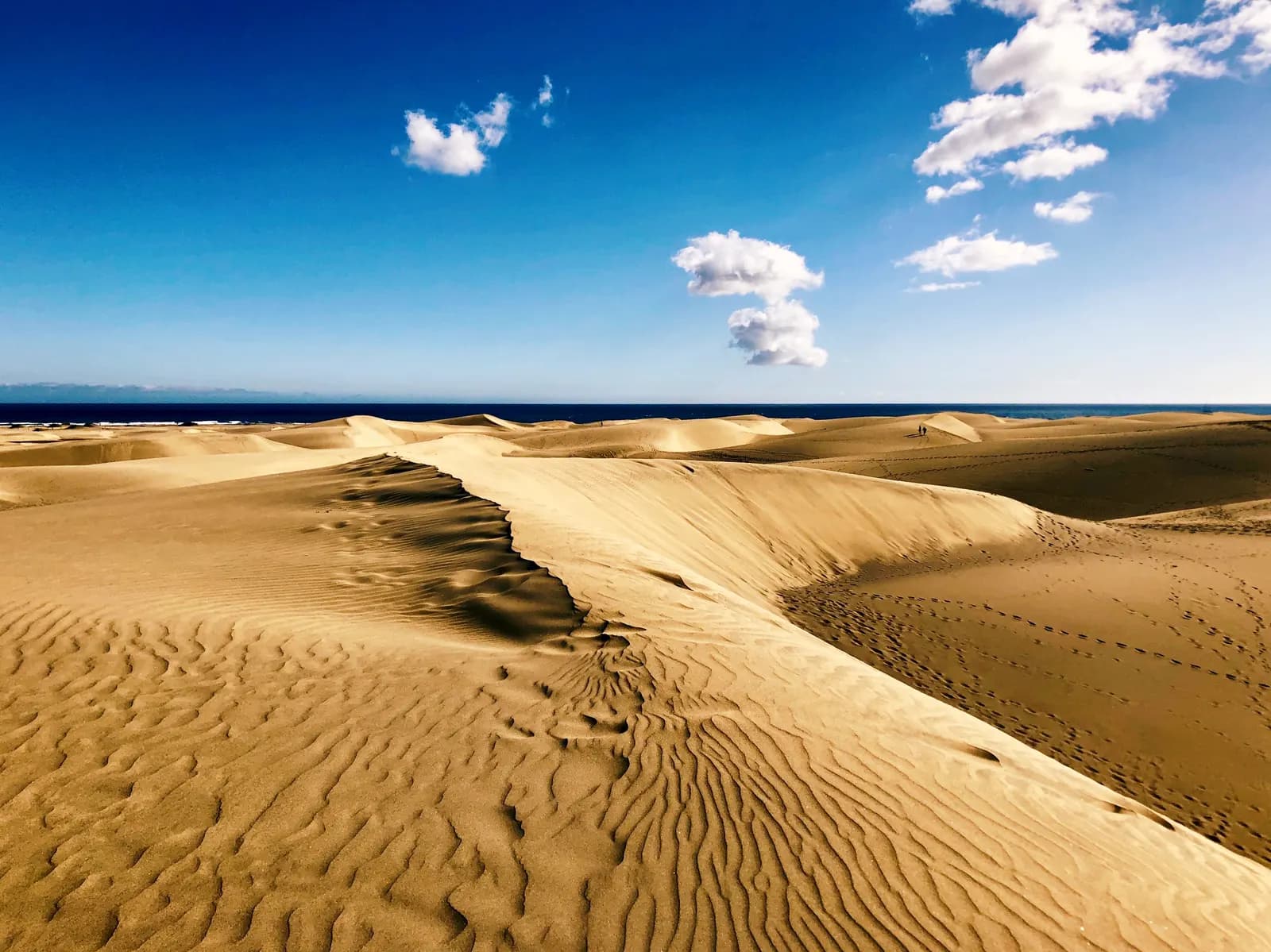
The south is the resort coast. Playa del Inglés has the biggest choice of apartment complexes and hotels and the nightlife; Maspalomas and Meloneras, next to the dunes and the lighthouse, are a little calmer, with larger resort hotels and villas. Puerto de Mogán, further west, is a small harbour village with a marina and canals.
Agaete and Puerto de las Nieves, in the green north-west, are for village stays and rural houses, and they need a car.
Staying with a rental car
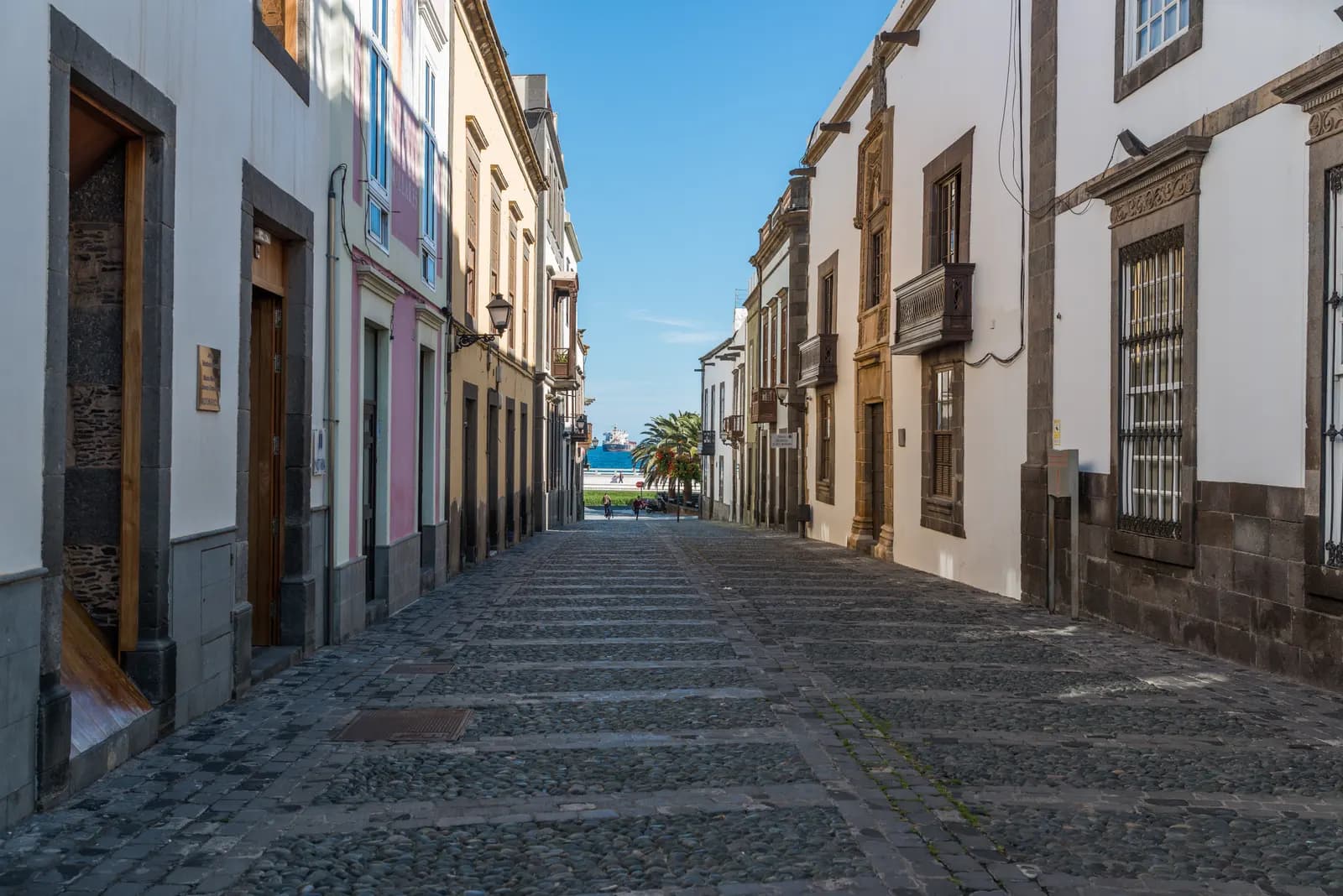
In Las Palmas the street is not the plan. The city's blue zone, which covers areas including Vegueta, Triana, Guanarteme, Arenales and Puerto, allows two hours at most and is paid in the LPA Park app. The green zone, in nine sectors including the same districts, gives residents priority: a non-resident may stay one hour at most, Monday to Friday from 09:00 to 20:00. A resident permit needs a local registration and a car registered to that address, so a rental car cannot have one. A booking with a garage space is worth asking for.
The south is easier on paper. San Bartolomé de Tirajana, which includes Playa del Inglés and Maspalomas, stopped its blue zone in March 2020 and removed the meters in 2021. The municipal company EMURSA runs public car parks in both, according to a 2018 report. Mogán runs a paid blue zone with a EUR 6 day cap, without saying on its page which streets are covered.
For the roads, GetCar's guide Driving in Gran Canaria: the GC-1, Mountain Roads, Closures and Parking covers the motorway, the mountain roads and the closures, including the old GC-200 cliff road at Andén Verde, permanently closed, with the new El Risco to Agaete section due from 2027.
What the tourist tax and registration rules mean for a guest
Mogán is the one place on the island where a tourist charge was found. Since 11 March 2025 guests in hotels, apartment complexes and holiday homes there pay EUR 0.15 per person per night, with no exemptions, collected by the accommodation. The Canary Islands High Court annulled the ordinance in a ruling of 28 May 2026, made public in July. The ruling is not final: Mogán is appealing to the Supreme Court and says payment remains mandatory while the appeal runs, with the money collected frozen.
For holiday homes, Canary Islands Ley 6/2025, in force since 13 December 2025, requires the regional tourism register number in every advert, and advertising without it is an infringement. The national register created by Real Decreto 1312/2024 was largely annulled by the Supreme Court in May 2026; whether a national number must still appear on a listing is unsettled as of September 2026, so the Canary number is the one to look for.
Ley 7/2026, in force since 15 August 2026, added two rules a guest will notice. A residential home let for 31 days or less, or advertised through a tourist channel, is presumed tourist lodging unless shown otherwise, and a lease of that length must state why the tenant needs temporary housing. A home newly declared for tourist use must also say in its advertising when the access road is unpaved or the last stretch has to be walked.
At check-in, expect to hand over passport or ID details. Real Decreto 933/2021 requires hotels and tourist homes to record them, and every guest over 14 signs the entry form.
When to book what
Decide city or south first, because that sets the parking question. In Las Palmas, ask about a garage before paying, not on arrival. In Mogán, the EUR 0.15 charge is collected by the accommodation; whether every accommodation is collecting it in practice was not verified as of September 2026.
For a stay of 28 nights or more, Airbnb switches to monthly-stay payment and cancellation rules; the monthly guide covers them.
Which area for which trip
City life and the shortest airport run: Vegueta and Triana.
A city beach and a long stay: Las Canteras.
Sun, apartments and nightlife: Playa del Inglés.
The dunes and a calmer resort: Maspalomas and Meloneras.
A harbour village and a slow pace: Puerto de Mogán.
Rural houses and the green north-west, car essential: Agaete and Puerto de las Nieves.
Questions
Is it better to stay in Las Palmas or the south of Gran Canaria?
Las Palmas for a real city, a city beach at Las Canteras and a short airport run; the south for resort beaches, the dunes and easier street parking. Las Palmas limits visitors to two hours in the blue zone and one hour in the green zone, so a garage matters there.
Is street parking free in Playa del Inglés?
San Bartolomé de Tirajana has had no blue zone since March 2020, so street parking is not metered. No source states how easy it is to find a space; EMURSA runs public car parks in Playa del Inglés and Maspalomas.
Do guests in Puerto de Mogán pay the tourist tax?
Mogán says yes. The EUR 0.15 per person per night charge was annulled by the Canary Islands High Court on 28 May 2026, but the council has appealed and says payment remains mandatory while the appeal runs.
Can a rental car get a resident parking permit in Las Palmas?
No. Resident status needs registration in the zone and a car registered to that address.
Is the west coast road from Agaete open?
Partly. The old GC-200 cliff section at Andén Verde is permanently closed, and the new El Risco to Agaete section is due from 2027.