Where to stay in Genoa
The old town of Genoa is closed to unauthorised cars at every hour of every day, so the first question is whether a car can get to the door. The areas below answer it one by one.
Last checked
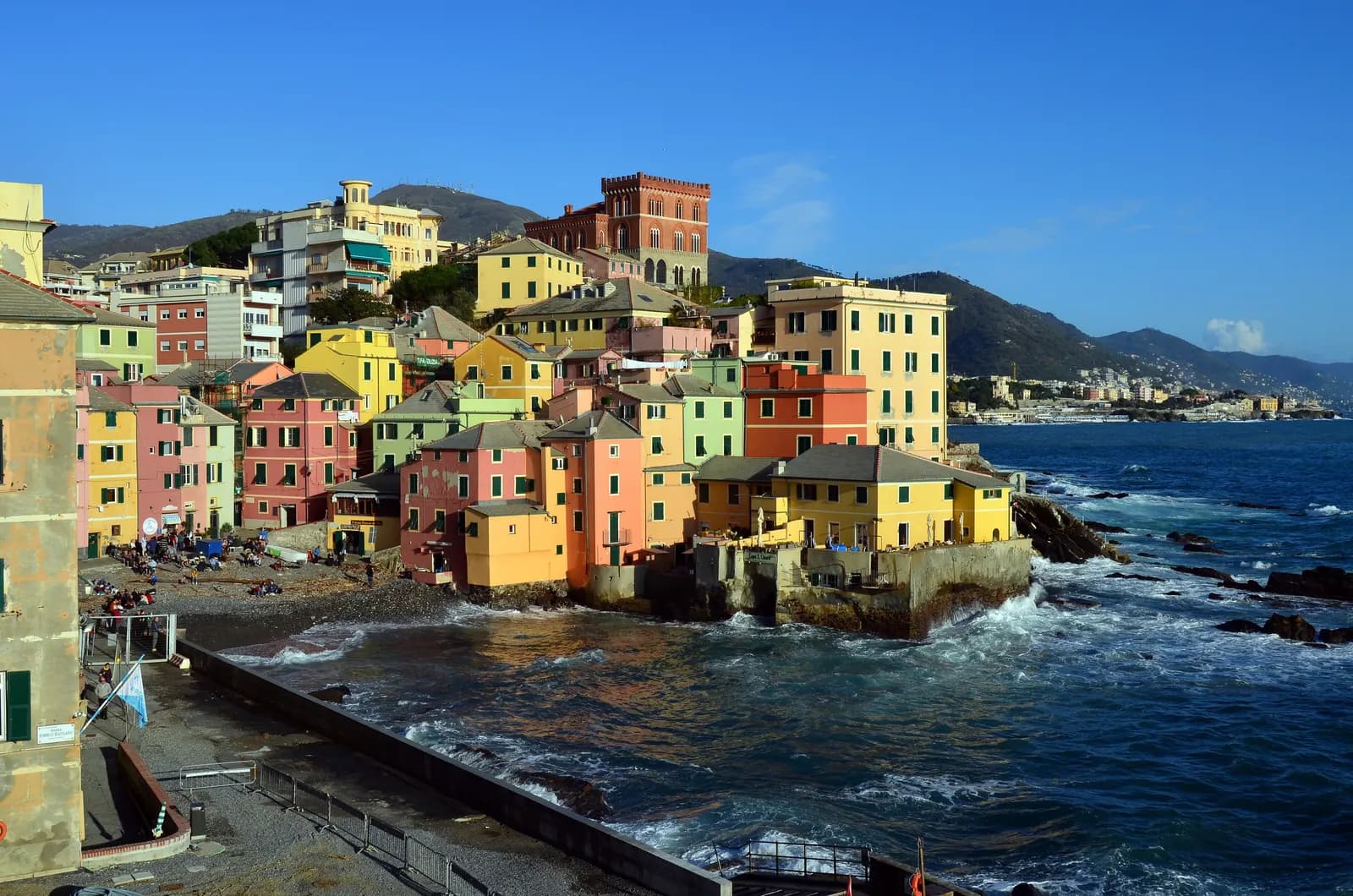
How the areas differ
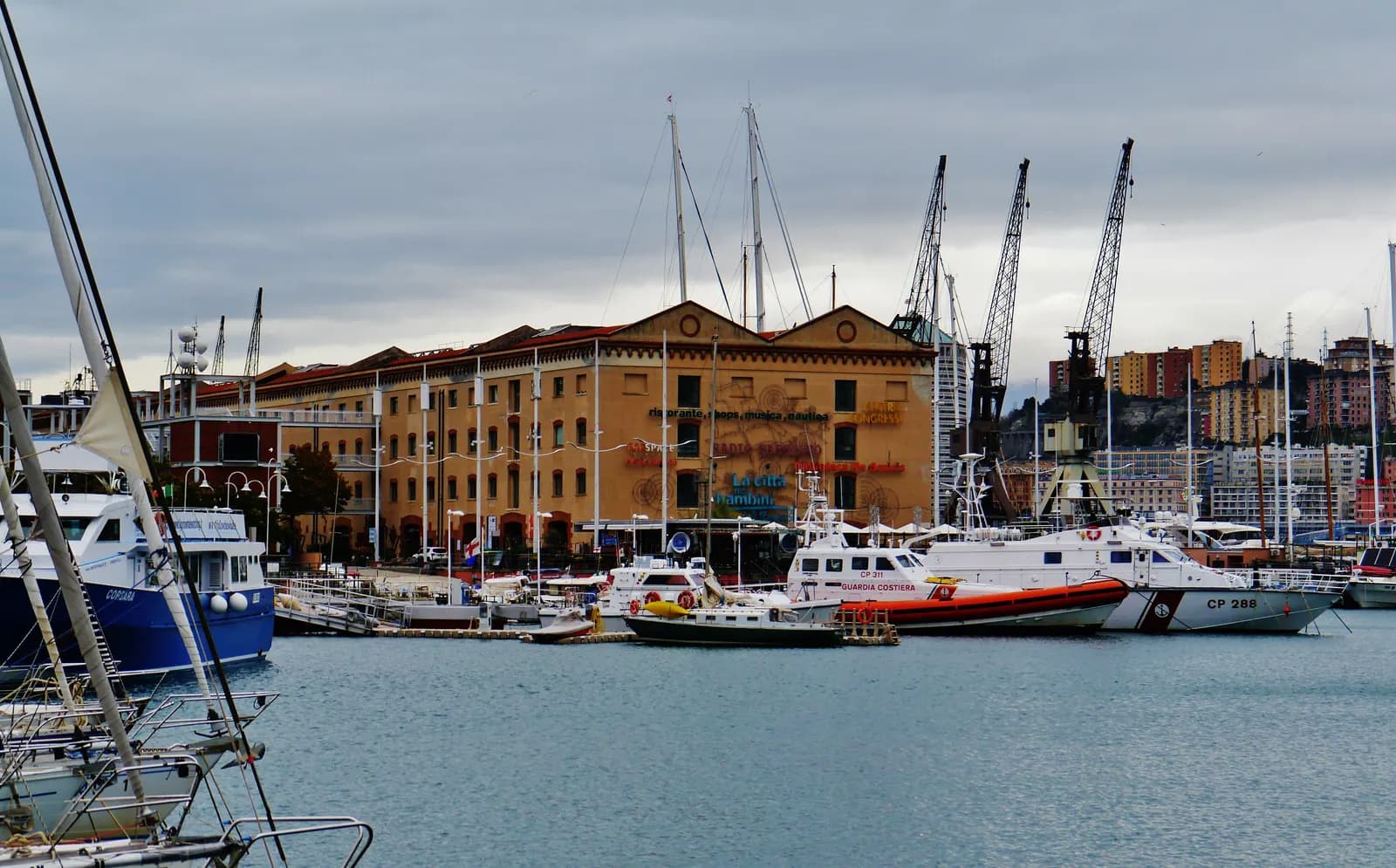
The Centro storico is a maze of caruggi behind the Porto Antico, with the Rolli palaces on via Garibaldi at its top edge. It is the base for a first visit.
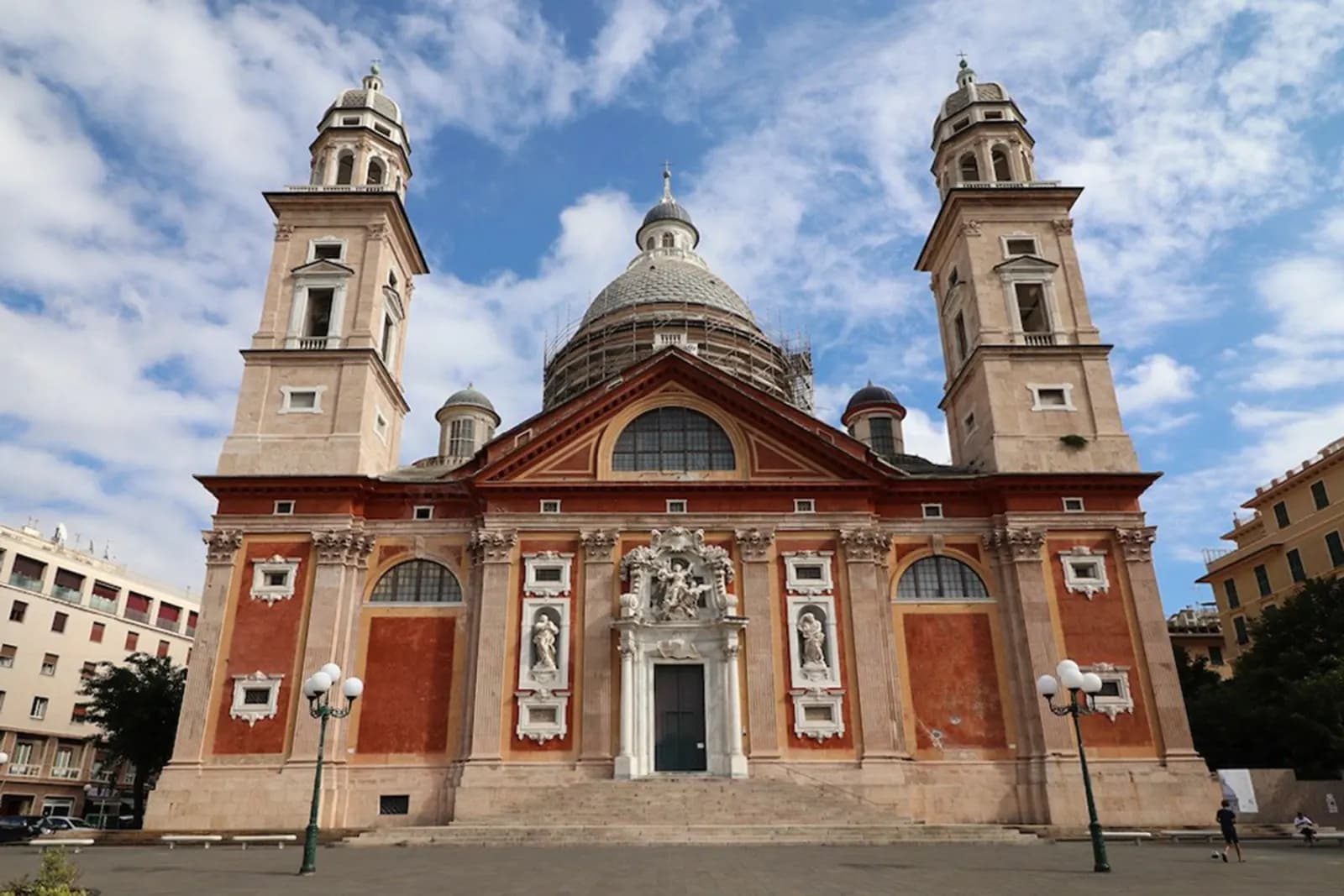
Carignano sits on the hill south of Piazza De Ferrari, a residential district a short walk above it. Foce, east of it, is the grid between Brignole station, the Fiera and the sea.
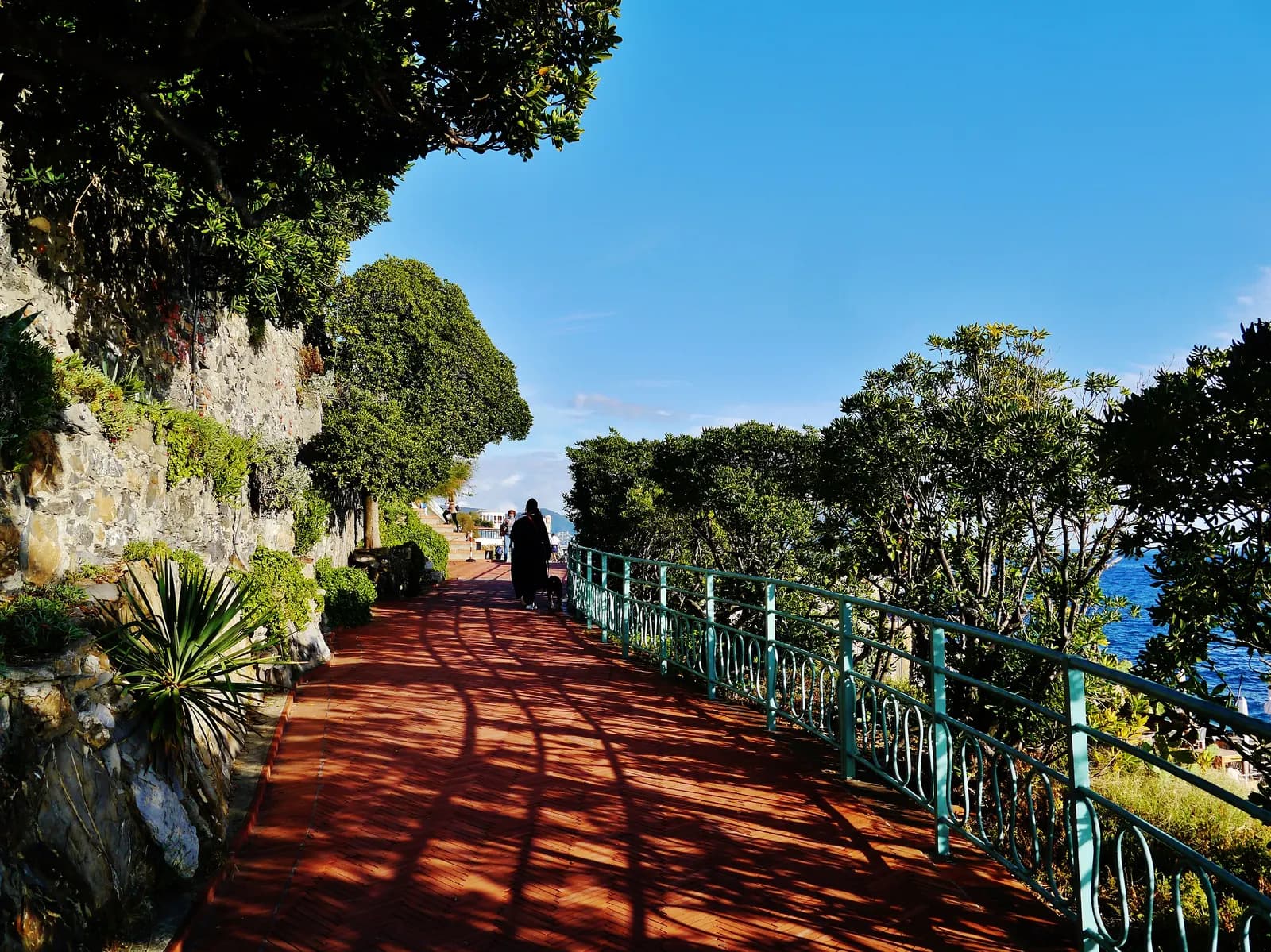
Albaro keeps the villas and the university faculties, and ends at the painted cove of Boccadasse. Nervi, at the eastern edge of the city, is a former resort with parks and a clifftop walk. Sampierdarena, west of the port, is the working district closest to the airport and the motorway.
Staying with a rental car
Genoa runs nine traffic zones: Centro Storico, Boccadasse, Bolzaneto, Molo, Nervi (Gazzolo), Nervi (Oberdan), Rivarolo, Vernazzola and Caracciolo, with Fontane Marose suspended. The two that matter most to visitors are the strictest. The Centro Storico zone is in force "in tutti i giorni dell’anno e nell’intero arco delle 24 ore", with camera gates on via di Porta Soprana, via del Campo, vico Giannini, piazza della Raibetta, via San Giorgio, vico delle Camelie, Mura delle Grazie, via Ravasco, via Lomellini, via Cairoli and via Garibaldi. The Molo zone works the same way. Permitted vehicles must be under 3.5 tonnes and 2.10 metres wide.
There is no tourist ticket. The published permit list covers residents and people treated as residents, users of a property or parking space inside the zone, health professionals and doctors, commercial and service journeys, public-utility vehicles, journalists and crews, carers, ministers of religion, investigation agencies and a category called "veicoli in disponibilità di clienti di particolari categorie economiche". That last one is not explained on the page, so a guest with a booking inside the zone should ask the property in writing whether it can register the plate. Electric cars get free access to every Genoa zone at any hour with a free annual permit, and a car in an authorised category that was not registered in advance can be regularised within 48 hours of the entry by paying the fee.
Outside the zones, parking is the Blu Area scheme. Blue bays are charged on weekdays from 08:00 to 20:00 unless the signs say otherwise, and residents park free in their own zone with an annual sticker. Inside the same perimeters, the light-blue Isole Azzurre bays are pay-only for everyone. Tariffs run in three bands: in the first, which covers Foce, Carignano, Centro, Alture H1, Valbisagno C and Albaro L and M2, the first hour costs EUR 1.30, the second EUR 1.70 and the third and later hours EUR 2.00; in the second band the first hour is EUR 1.10; in the third it is a flat EUR 1.00. More than 4,000 free spaces are kept for motorcycles and mopeds. GetCar’s car rental page for Genoa covers the hire side of the trip.
What the tourist tax and registration rules mean for a guest
The imposta di soggiorno is charged per person per night on anyone who is not resident in the comune. In hotels it runs EUR 2.00 at one star, EUR 2.50 at two, EUR 3.00 at three, EUR 4.00 at four and EUR 5.00 at five stars and five-star luxury. Hostels, agriturismi, marina resorts and campsites pay EUR 2.00. Case per ferie, affittacamere, bed and breakfasts and holiday flats pay EUR 4.00. A furnished flat for tourist use pays EUR 5.00, reduced to EUR 4.00 in the Media Val Bisagno, Val Polcevera and Medio Ponente municipi, a discount the comune introduced to spread stays away from the centre.
The non-hotel and flat rates come from Giunta resolution DGC 166 of 2026 and took effect on 1 August 2026, with bookings made before that date left on the old figures. On a stay of more than eight consecutive days, only the first eight nights are taxed, and only if they are all in the same property. Children up to their fourteenth year pay nothing, as do patients treated locally and one companion, carers of inpatients up to two per patient, people with a certified disability, police, fire and civil-protection staff on duty, students of the University of Genoa aged up to 26 with their student card, and volunteers.
Every licensed stay in Italy, hotel or short-let flat, has a national identification code (CIN) shown outside the building and in every listing. Italian law lets a host accept only guests with an identity document or passport, and the host registers each one with the police within 24 hours. A 2024 Interior Ministry circular, upheld by the Council of State in November 2025, requires the host to identify guests in person or by a video link at the door.
When to book what
Dates move the tax, not the traffic rules: the old-town zone never opens, so an arrival at midnight needs the same permission as one at noon. Book a property inside the Centro storico only after it has confirmed in writing how the car reaches it, or plan to leave the car outside and walk in.
A booking made before 1 August 2026 keeps the older non-hotel rates, so check the booking date against the tax on the bill.
For a month or longer, the lease type matters more than the date: up to 30 days a flat is a short let with a CIN, and beyond 30 days it is a lease that must be registered with the Agenzia delle Entrate. Compare and book on this page once the dates are fixed.
Which area for which trip
A first visit on foot, with no car: the Centro storico and the Porto Antico.
A residential base on the hill above the centre: Carignano.
Shops, the station and the ferries: Foce.
The sea and a family base: Albaro and Boccadasse.
Parks and a slow week: Nervi.
An early flight or a car that comes and goes: Sampierdarena.
Questions
Is the Genoa old town traffic zone active all day?
Yes. Genova Parcheggi states that the Centro Storico zone applies on every day of the year and for the whole 24 hours, and the Molo zone the same.
What happens if a car enters a Genoa ZTL by mistake?
Cameras record the plate and the penalty follows later. A vehicle that belongs to an authorised category but was not registered in advance can be regularised within 48 hours of the entry by paying the fee to the operator.
Do electric cars pay to enter the Genoa zones?
No. Electric cars, motorcycles and goods vehicles have free access to every Genoa ZTL at any hour, with one free annual permit valid for all the zones.
Where can a car be left near the Genoa old town?
In blue bays outside the zone, charged on weekdays from 08:00 to 20:00. In the first tariff band the first hour costs EUR 1.30 and the third hour onwards EUR 2.00; check the sign on the street, since hours and bands vary.
How much tourist tax does a family pay in a Genoa flat?
EUR 5.00 per person per night in a furnished flat for tourist use, or EUR 4.00 in the Media Val Bisagno, Val Polcevera and Medio Ponente municipi, for each guest past their fourteenth year and for at most eight consecutive nights.