Where to stay in Barcelona
Barcelona rewards a base on foot and punishes a car left on the street. The city areas below differ in noise, beach and transport, and all of them sit inside the same weekday low-emission zone.
Last checked
How the areas differ
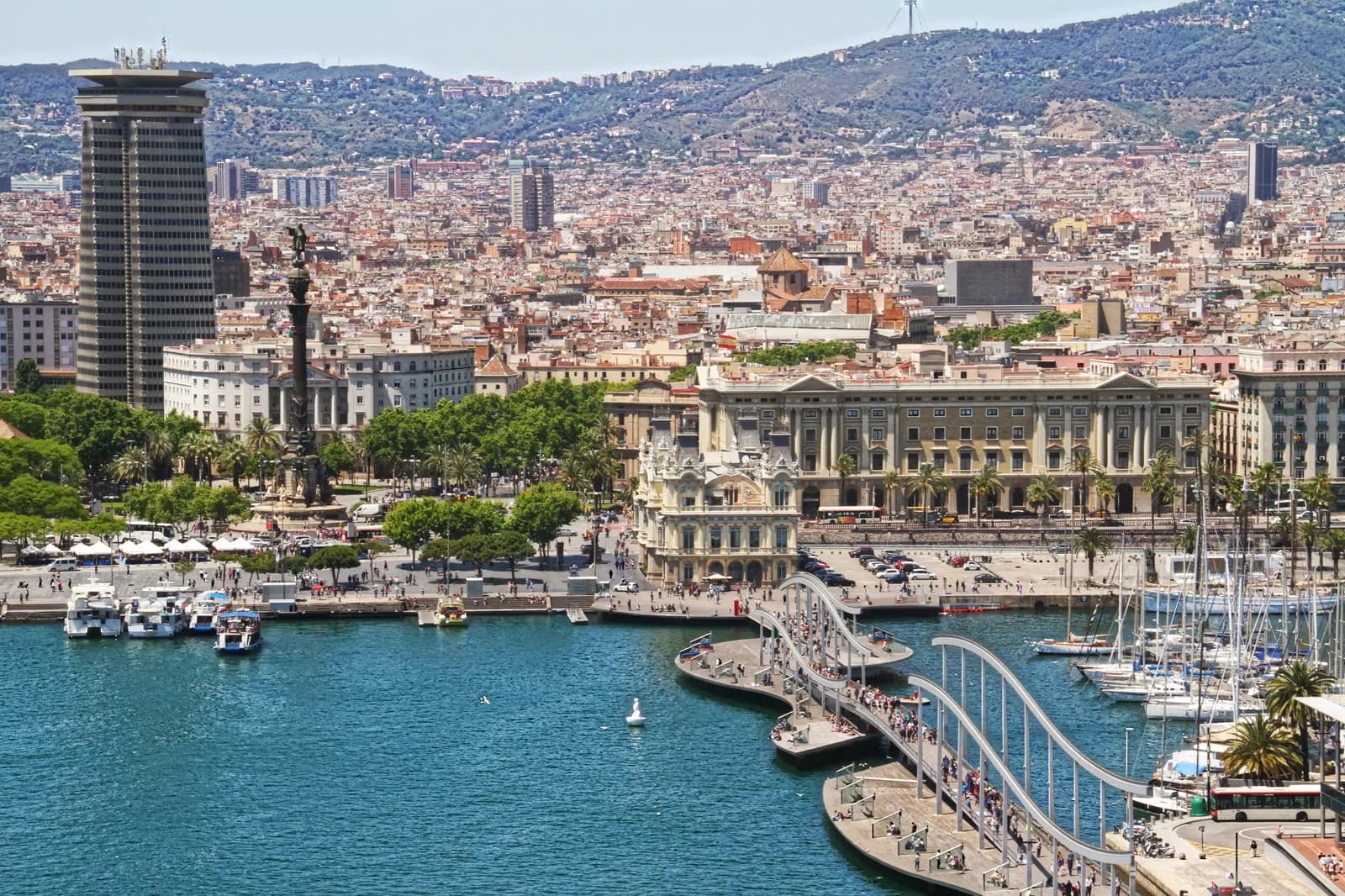
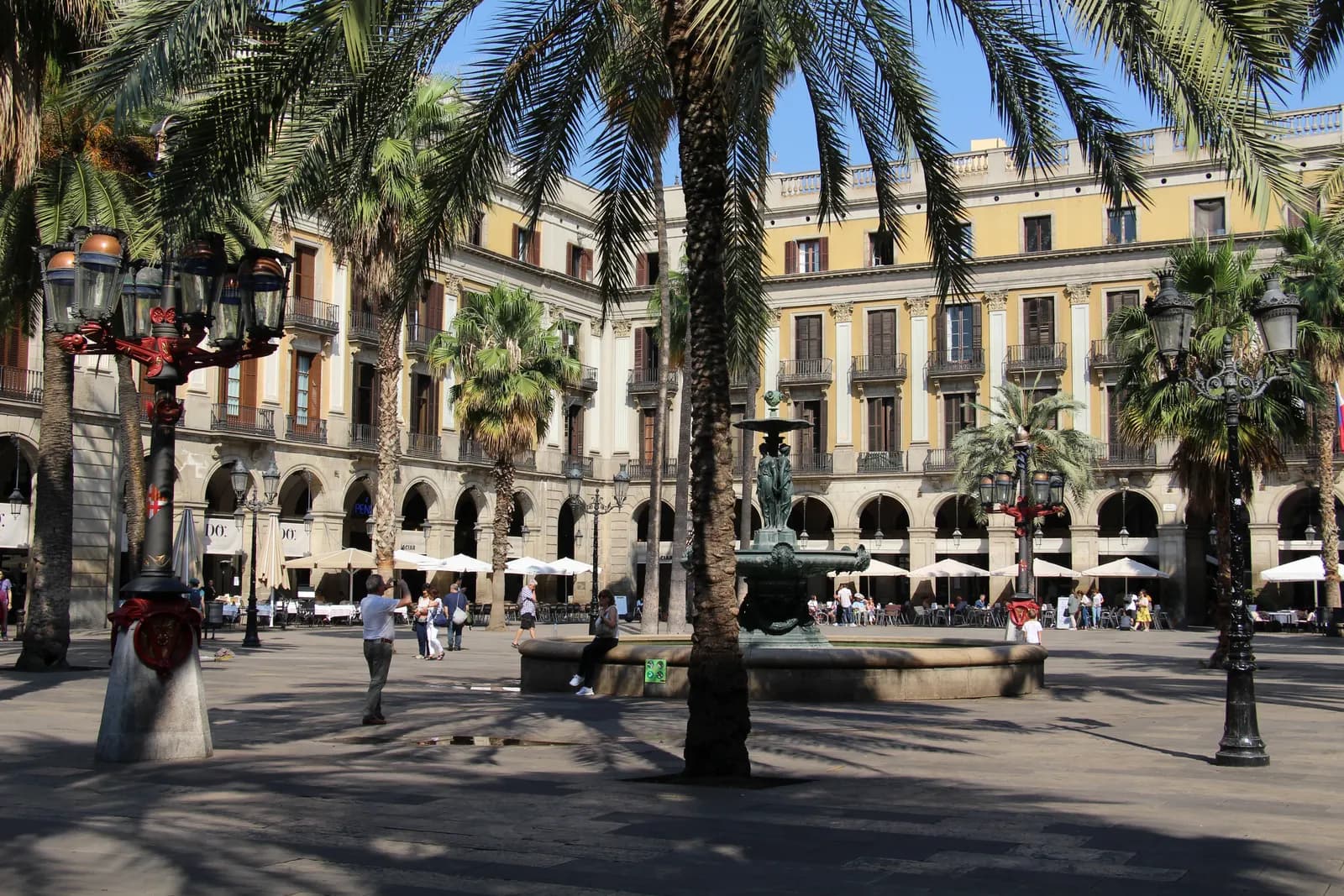
The Gòtic and the Born, in Ciutat Vella, are the old town: the cathedral, Plaça Reial, the Picasso Museum and the port within a few streets. Dense, lively and loud at night. Barceloneta, the old fishermen's quarter, puts the sand at the door and is busy in summer.
The Eixample is the grid north of the old town, with the Passeig de Gràcia, Casa Batlló and the Sagrada Família, and the best metro links. Gràcia, above it, is a former village of small squares near Park Güell. Sant Antoni grows around its rebuilt market between the old town and Montjuïc, and Poblenou, to the east, is newer and calmer, next to Bogatell beach.
Sitges is the outlier: a beach town about 35 km south-west, with trains into the city and its own parking rules.
Staying with a rental car
The low-emission zone, ZBE Rondes de Barcelona, covers all of the city except the Zona Franca, Vallvidrera, Tibidabo and Les Planes, plus neighbouring towns, Monday to Friday from 07:00 to 20:00, enforced by camera. Spanish cars with a 0, ECO, C or B label enter freely, and the fine is EUR 200. Ask at the rental desk which label the car carries.
Street parking is the AREA system. Blue spaces are open to everyone; green spaces are for residents, and visitors may use them except where marked residents only. The maximum stay is on the sign, usually 2 hours, and the 2026 prices run from EUR 1.15 to 4.25 an hour depending on the car's environmental label, paid in the smou app. For a stay of several days, the city company B:SM runs car parks with cards for a whole day or several days.
In the Eixample, some streets are now Superilla green axes, where through traffic has to turn at every block, so the route to a flat can be longer than the map suggests. GetCar's guide Driving in Barcelona: the Low-Emission Zone, Parking Prices and the Remaining Tolls covers the road rules and tolls in full.
What the tourist tax and registration rules mean for a guest
Catalonia charges a tax on stays in tourist establishments, and Barcelona adds a city surcharge. From 1 April 2026 the combined rate per person per night is EUR 12.00 in a five-star or grand luxury hotel, EUR 8.40 in a four-star hotel, EUR 9.50 in a tourist flat, EUR 6.00 in a youth hostel and EUR 7.00 in most other establishments. It is charged for at most 7 nights per stay, and guests aged 16 and under are exempt. If a stay was booked and paid in advance, the rate in force at the time of booking applies.
A tourist flat, a HUT in Catalan, is a whole flat let for 31 days or less. It needs a municipal licence and a Catalan tourism register number, the NIRTC, which must be on a sign inside the flat and given to the guest after booking. The city's address lookup settles it: a flat whose address does not appear there is illegal, in the city's own words. Under article 251-2 of the Catalan tourism decree, Decret 75/2020, a platform must check that an advertiser has the NIRTC or a provisional number, must not publish the advert without it and must show the number in every advert, so a Barcelona listing with no NIRTC is a warning sign.
At national level, the national registration procedure was largely annulled in May 2026, regional registers still apply (Catalan NIRTC, Valencian tourism register, Andalusian RTA), and whether a national number must still appear on a listing is unsettled as of September 2026. At check-in, expect to give passport or ID details, which every lodging must record under Real Decreto 933/2021.
When to book what
Tourist flats have an end date. The city announced in June 2024 that it will not renew licences, so the roughly 10,000 licensed flats are to become homes by November 2028; press reported in March 2025 that the Constitutional Court upheld the Catalan decree behind it. Until then, a licensed flat is a normal booking.
Booking and paying early fixes the tax rate at the rate in force on the day of booking. For a month or longer, the contract type matters more than the date; the monthly guide below covers it.
Which area for which trip
A first visit on foot: Gòtic and Born.
Transport links and a calmer night: Eixample.
A neighbourhood feel and longer stays: Gràcia or Sant Antoni.
The beach at the door: Barceloneta, or Poblenou for something quieter.
A car that is easy to keep: Sitges.
Questions
Can a rental car enter Barcelona's low-emission zone?
Spanish cars with a 0, ECO, C or B label enter freely. The zone runs Monday to Friday, 07:00 to 20:00, and the fine is EUR 200. Ask at the rental desk which label the car carries.
How long can a car stay in a Barcelona street space?
As long as the sign says, usually 2 hours. For several days, a B:SM car park card for a day or several days is the practical answer.
What does a tourist flat cost in tax per night?
EUR 9.50 per person per night from 1 April 2026, for at most 7 nights. Guests aged 16 and under pay nothing.
What is an NIRTC number?
The Catalan tourism register number of a licensed tourist flat. It must be on a sign inside the flat, given to the guest after booking and shown in every platform advert.
Does the Barcelona surcharge apply in Sitges?
No. Sitges is outside Barcelona's surcharge and tourist-flat rules; the Catalan rate for the rest of Catalonia applies.