A month in Vancouver
In British Columbia a continuous stay of 27 days or more pays no PST and no MRDT, but it is still a short-term rental under the provincial rules, which run to 90 days.
Last checked
What a month means for tax
Accommodation provided to the same person for a continuous 27 days or more carries no PST and no MRDT, and the Major Events MRDT does not apply to it either. If the stay is billed for 27 days or more, the taxes are never charged. If it is billed weekly or prepaid for less than 27 days, the host charges them, and once the stay passes 26 days no more are charged. The guest then applies to the province for a refund of what was paid, because the host may not refund it.
GST follows federal law: a month or more in a flat let to the same person is exempt from GST under the Excise Tax Act, while shorter stays are taxed. Ask how a hotel's monthly bill will read before booking.
Why a month is still a short-term rental
BC's rules cover stays of less than 90 consecutive days, so a month-long booking must meet them: a registered host, the provincial registration number in the listing, and in Vancouver, Richmond and North Vancouver the host's principal residence or one suite on the same property. The City of Vancouver's licence covers rentals of less than 90 consecutive days too.
The Residential Tenancy Act does not apply to living accommodation occupied as vacation or travel accommodation, and the province says a platform booking is generally outside it, though a tenancy can arise in some circumstances. Read what the agreement calls the stay before paying.
The areas that suit a month
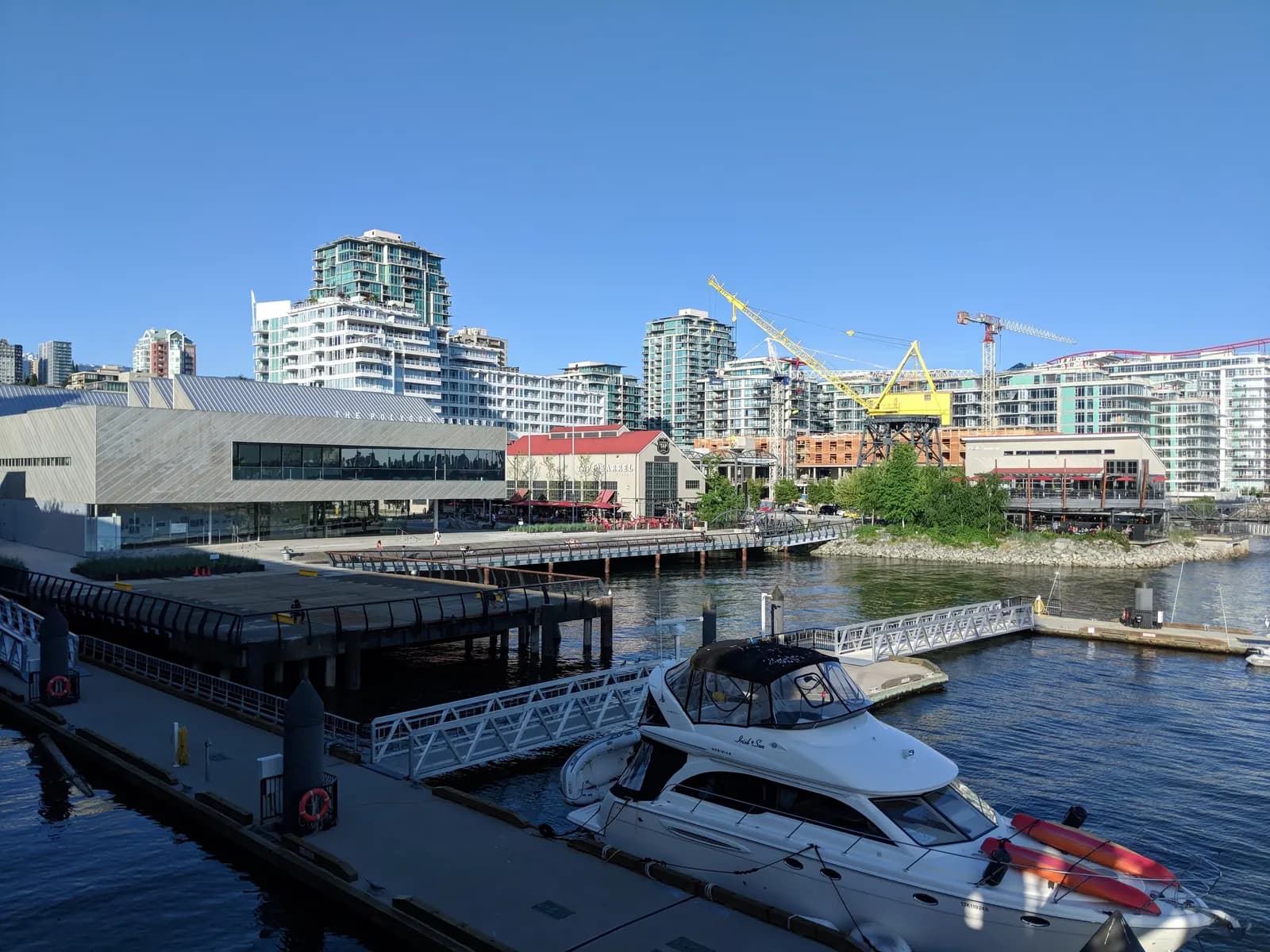
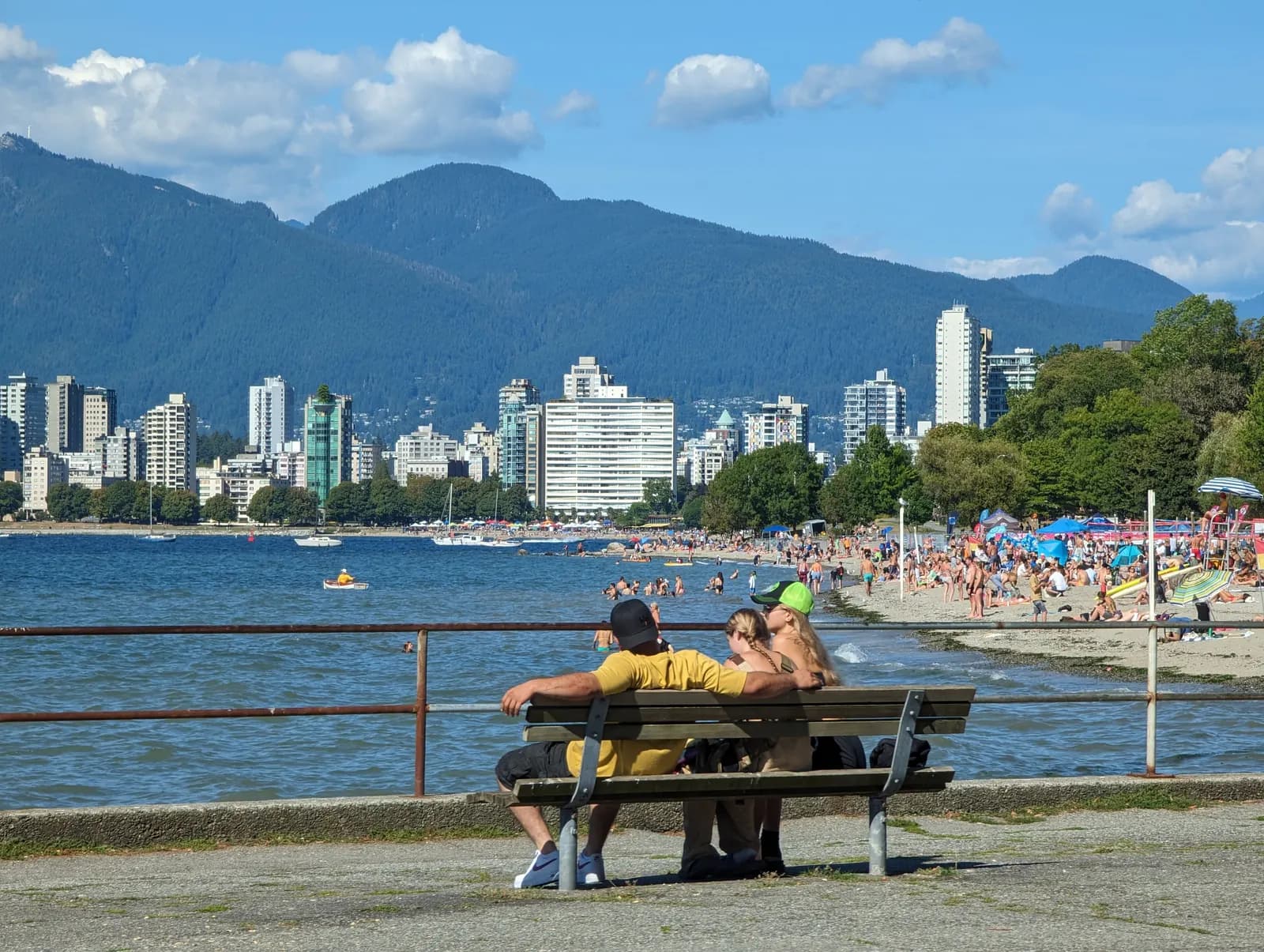
Kitsilano suits a month in an apartment in a mostly residential neighbourhood about 5 km from Downtown, and the West End a month by Stanley Park and English Bay within walking distance of the centre. North Vancouver suits a month on the North Shore, with the SeaBus from Lonsdale Quay across the inlet. Downtown works for a month in a building with a garage, given the one- and two-hour limits on the street, and Richmond for the nights nearest the airport. These choices are editorial.
Paperwork and entry limits
Visitors from the UK and the EU fly to Canada with an eTA, which costs CAD 7 and is valid for up to five years or until the passport expires. Romanians need an electronic passport for it. US citizens and US permanent residents need no eTA, and nobody needs one arriving by car, bus, train or boat.
Most visitors can stay up to six months; the border officer sets the date, and a longer stay needs a visitor record applied for before that date. UK travel advice adds that border officials may ask for a return or onward ticket and proof of enough money for the stay.
What platforms call a long stay
Airbnb calls 28 nights or more a monthly stay: the first month is charged up front and released to the host 24 hours after check-in, later months are charged 10 days in advance, and a long-term cancellation policy applies that generally needs 30 days' notice of changes. In BC the tax line sits at 27 continuous days, below Airbnb's 28-night mark, and the rental rules run on to 90 days.
A car for the month
Street meters allow one or two hours and run from 9 am to 10 pm every day, so a month needs off-street parking or a visitor permit. On residential permit streets, a resident can buy visitor permits, valid only in the permit's own zone; ask the host how a month will be covered. Since 27 April 2026 the meters take cards and apps only (via GetCar), and the City uses no QR codes for payment.
Pitfalls
Paying week by week and expecting the host to refund the PST after 27 days. Only the province can, on the guest's application.
Booking a listing without a provincial registration number. Platforms remove such listings and cancel their bookings.
Leaving a car on a permit street without a visitor permit for that zone.
Scanning a QR code stuck on a meter. The City uses none.
Questions
Is PST charged on a month in Vancouver?
Not on a continuous stay of 27 days or more. If it was charged on shorter billing periods, the guest applies to the province for a refund; the host may not refund it.
Is a month-long rental a short-term rental in BC?
Yes. BC's rules cover stays of less than 90 consecutive days, so the host must be registered and show the provincial registration number.
How long can a visitor stay in Canada?
Most visitors can stay up to six months. The border officer sets the date, and a longer stay needs a visitor record applied for before it.
Does BC tenancy law cover a monthly booking?
Generally not: the Residential Tenancy Act does not apply to vacation or travel accommodation, though the province says a tenancy can arise in some circumstances.