Where to stay in Santo Domingo
Santo Domingo spreads west of its old city along the Caribbean, and its airport sits about 28 km to the east by road. The Zona Colonial is for walking, Gazcue and the Polígono Central west of it are residential and business districts, and Boca Chica and Juan Dolio, east of the airport, are the beach bases.
Last checked
How the areas differ
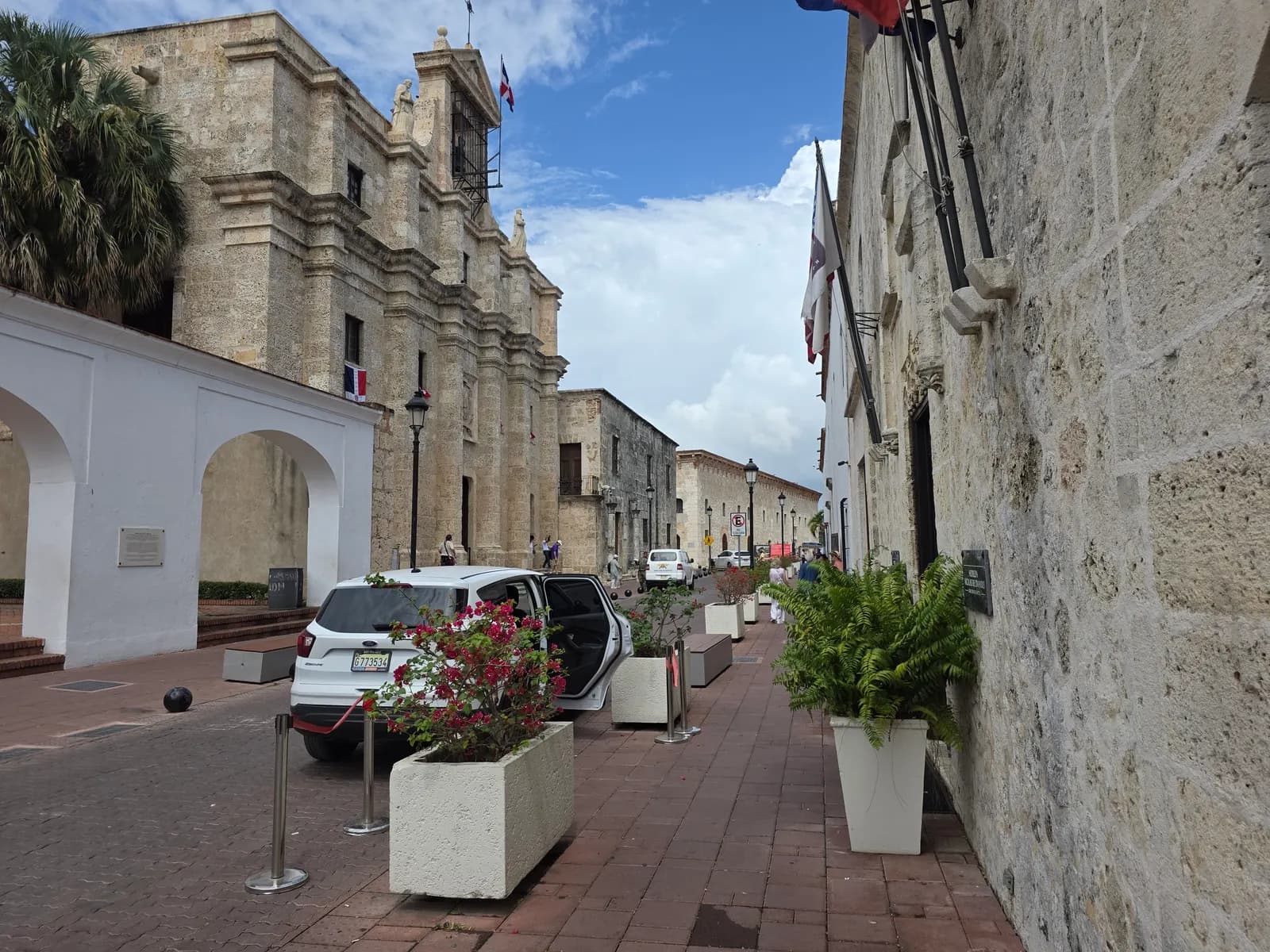
The Zona Colonial is the walled old city on the west bank of the Ozama River, about 1 square kilometre in size, the oldest continuously inhabited European settlement in the Americas and a UNESCO World Heritage Site. It is about 28 km from the airport by road.
West of it, Gazcue is one of the oldest sectors of the city, originally an upper-class neighbourhood and now home mostly to the upper middle class, about 2 km by road from the Malecón, the Avenida George Washington along the sea. Further west, Piantini and Naco sit in the Polígono Central, among the most developed commercial areas of the country, with residential towers, corporate offices, shopping centres and banks.
East of the airport, Boca Chica is a town with a popular beach about 10 km away by road, and Juan Dolio, in San Pedro de Macorís province, is a seaside community with a public beach about 33 km away.
Staying with a rental car
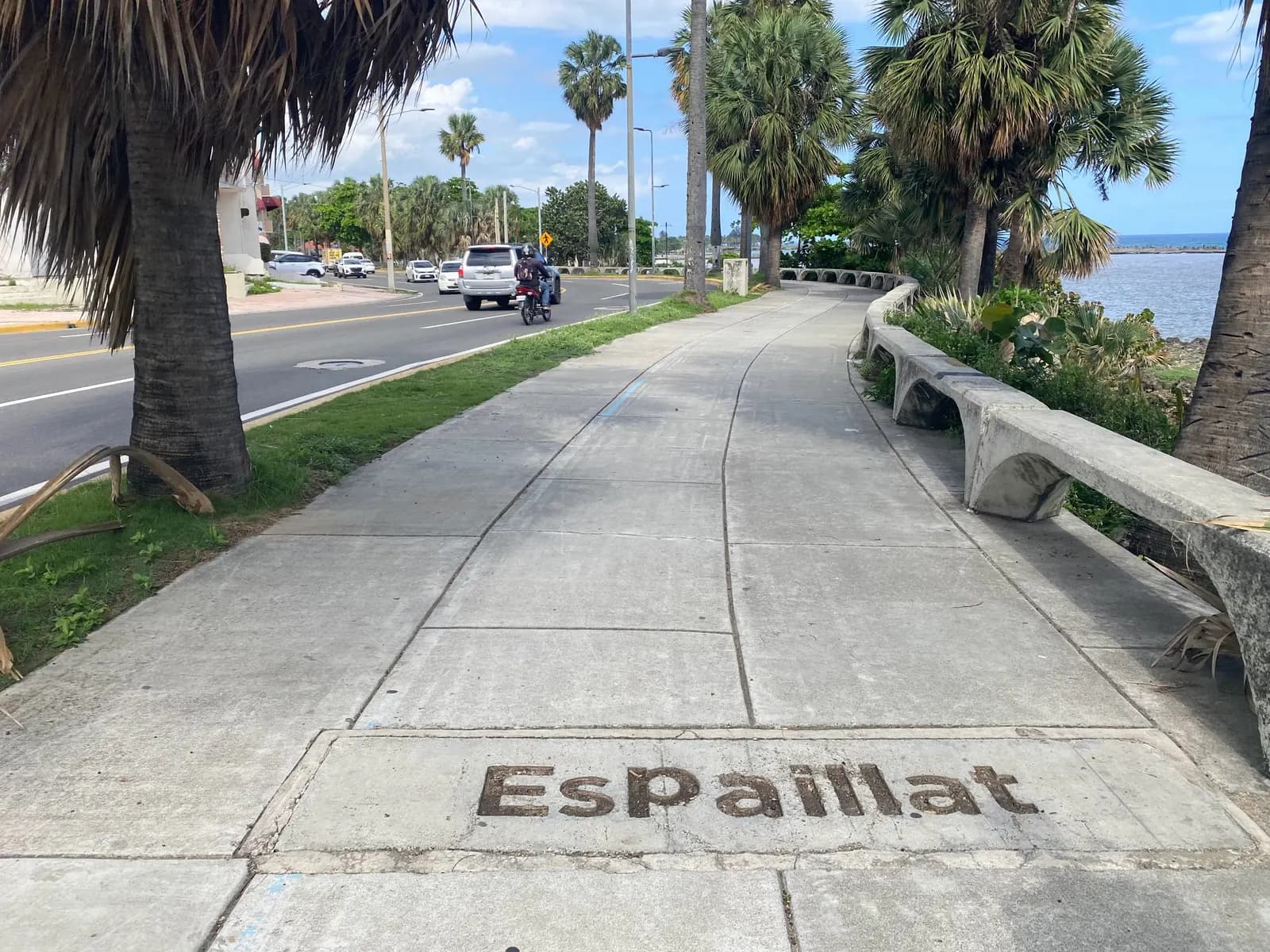
The Las Américas booth, at km 22 of the Autopista Las Américas, charges DOP 100 for a car between the airport and the city; the roads east to Boca Chica and Juan Dolio have no toll booth (via GetCar).
The Zona Colonial changed on 17 August 2026. A city plan now limits through traffic every day in the cathedral area bounded by calle Arzobispo Meriño, calle Padre Billini and calle Las Damas: cars enter it from the north, by calle Palo Hincado, calle Juan Isidro Pérez or avenida Mella, and not from Padre Billini. The council names emergency vehicles and refuse trucks as the only exceptions and points drivers to the Atarazana car park on calle Restauración, with 196 spaces, and the Zona Colonial car park on avenida Mella. ParqueatRD, the state operator, charges DOP 50 an hour from Monday to Thursday and DOP 100 from Friday to Sunday and on holidays, around the clock, and its FAQ says payment is in cash. A hotel inside the area can say how its guests arrive.
No on-street meter scheme was found elsewhere in the city (via GetCar), so ask whether a hotel or apartment in Gazcue, Piantini or Naco has parking. UK travel advice warns that thieves on motorbikes sometimes reach through car windows at red lights and advises keeping windows shut and doors locked. GetCar's guide Driving in Santo Domingo covers the tolls, the new traffic plan and the Dominican road rules.
What the taxes and entry rules mean for a guest
Hotels, apartment hotels, villas and tourist apartments carry ITBIS at 18%, according to the tax directorate, while renting a dwelling as a home is exempt. The Labour Code obliges hotels to add 10% to guests' bills as a tip for the staff. No separate per-night tourist tax was found, and Airbnb does not collect Dominican tax itself, so check whether a quoted total includes ITBIS.
EU, UK and US visitors need no visa for 30 days. The free E-Ticket is filled in online for arrival and again for departure and shown to the airline; guests in a vacation rental enter the host's full address. The USD 10 tourist card and the USD 20 departure tax are included in air fares, and until 31 December 2026 EU, UK and US passports need to be valid only for the length of the stay.
In May 2026 the Ministry of Tourism put out for consultation, until 22 July, a draft resolution to register short-term vacation rentals and their hosts. Whether it has been signed is unverified as of September 2026.
Getting around without the car
The Metro and its cable car charge DOP 20 a trip. A rechargeable card costs DOP 60 and must be bought with at least two trips, and a 20-trip plan costs DOP 360. No line reaches the airport (via GetCar).
When to book what
Compare totals with ITBIS and the hotel tip included. For the Zona Colonial, ask the hotel how guests arrive under the new traffic plan, and budget for a car park if the car stays. Fill in the E-Ticket once the flight details are known. The hurricane season runs from June to November, according to UK travel advice.
Which area for which trip
A short city break on foot: the Zona Colonial.
A residential base near the old city and the sea: Gazcue and the Malecón.
A business trip or a modern apartment: Piantini and Naco.
A beach close to the airport: Boca Chica.
A beach base further east: Juan Dolio.
Questions
Where can a car park in the Zona Colonial?
The city council points drivers to the Atarazana car park on calle Restauración, with 196 spaces, and the Zona Colonial car park on avenida Mella. ParqueatRD, the state operator that runs the Atarazana, lists DOP 50 an hour from Monday to Thursday and DOP 100 from Friday to Sunday and on holidays, paid in cash.
Is there a toll from the airport?
Into the city, yes: DOP 100 for a car at the Las Américas booth. East to Boca Chica and Juan Dolio there is none (via GetCar).
Is ITBIS charged on apartments?
On tourist apartments and villas, yes, at 18%. Renting a dwelling as a home is exempt, according to the tax directorate.
Does the Metro reach the airport?
No line reaches the airport (via GetCar). Inside the city a trip costs DOP 20.
Which area suits a first visit?
The Zona Colonial, for its colonial streets on foot, with the car left in one of the car parks the city council names.