Where to stay in Santiago de Compostela
Santiago's old town is closed to cars by bollards and cameras, and the city has charged a tourist tax since October 2025. The Ensanche and San Pedro sit a short walk from the cathedral, with ORA street parking.
Last checked
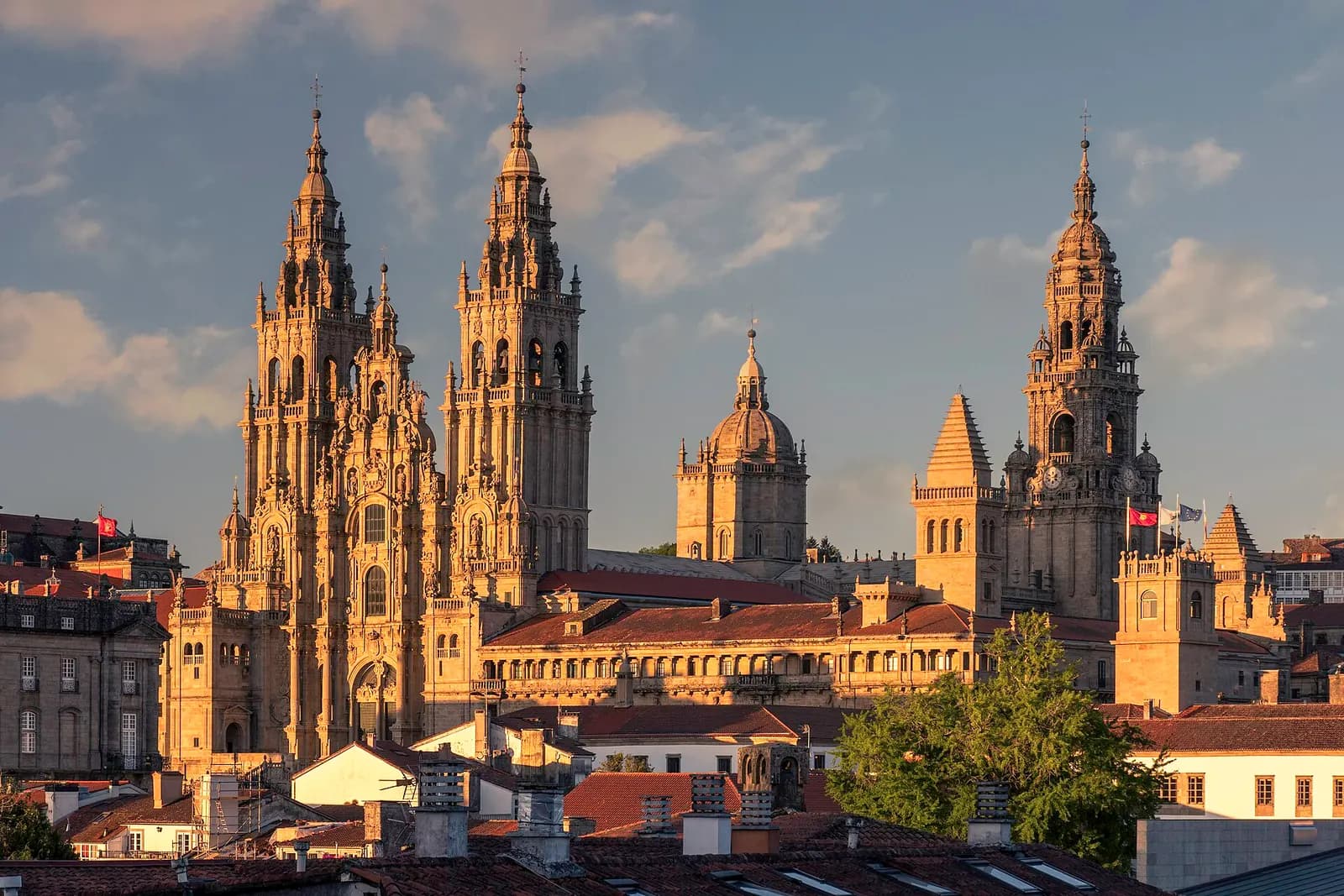
How the areas differ
The Cidade Histórica is the old town of granite streets around the cathedral and the Praza do Obradoiro, where the Camino ends. It is the base for a first visit and for pilgrims who want everything on foot. The Ensanche, south of it, is the twentieth-century new town, with shops, restaurants and the railway station close by.
San Pedro is the street that runs east from the edge of the old town, lined with small hotels and guesthouses. San Lázaro, further east on the way to the airport and Monte do Gozo, is a district of hotels for arrivals by car and early flights.
Staying with a rental car
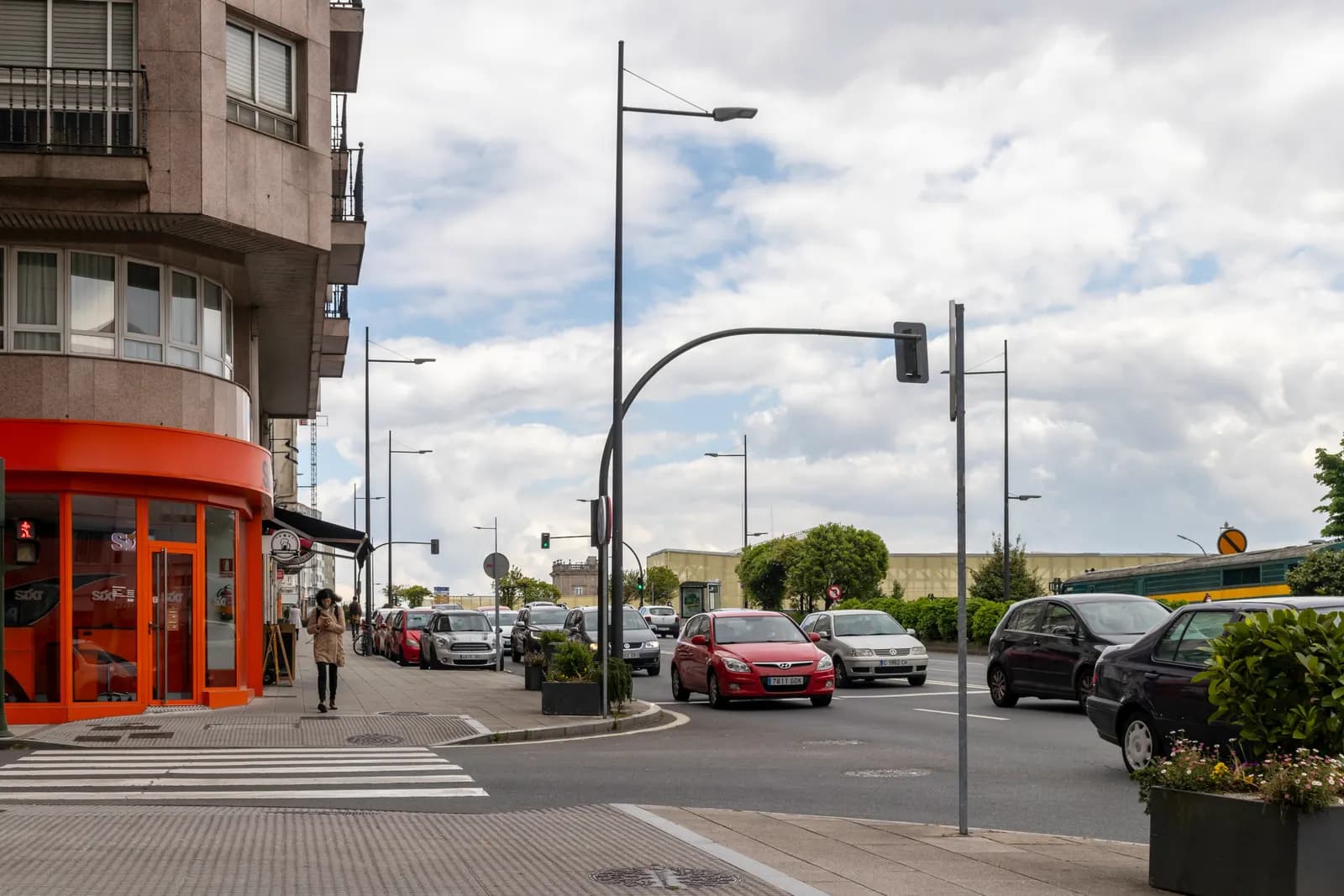
The Cidade Histórica has been recognised as the city's low-emission zone since an ordinance change of 10 November 2025, but access works by use, not by label: eleven gates with bollards and plate cameras at five other entrances close the perimeter, and a clean car gets no automatic pass. The zone does not reach the Praza de Galicia area. These details come from press reports; the procedure for hotel guests was not found on an official page, so ask the hotel before arrival.
Park at the edge. The Xoán XXIII car park by the cathedral, run by the city company Tussa, sells monthly passes and tourist cards for 7 and 15 days; its tariff sheet, dated 2020 and still linked, charges by the minute, EUR 1.31 for an hour, and caps a stay of 10 to 24 hours at EUR 11.08. The Santa Marta parking area is free every day from 07:00 to 19:00.
On the street, the ORA allows 2 hours in the general zone for EUR 1.05, and in sector 1, which covers streets such as Hórreo and República Argentina, the car must then leave the sector for 2 hours. Long-stay streets allow 4 hours for EUR 1.05. The ORA is paid Monday to Friday from 10:00 to 14:00 and 16:30 to 20:30 and on Saturday mornings. For the AP-9 tolls and the rest of the road side, GetCar's guide Driving in Santiago de Compostela covers it in full.
What the tourist tax and registration rules mean for a guest
Galicia created a tax on tourist stays in its Lei 5/2024, with a full bonus on the regional part and room for each municipality to add a surcharge of up to 100%. Santiago applies the full 100% from 1 October 2025, so a guest pays EUR 2.50 per person per night in five-star and four-star superior hotels, EUR 2 in hotels from two-star superior to four-star and in tourist-use flats, EUR 1.50 in one-star and two-star hotels and pensions, and EUR 1 in albergues, campsites, rural houses and tourist apartments. The lodging collects it, for at most five nights per stay.
Minors are exempt, as are people with a disability of 65% or more, stays for health reasons, official sports competitions, force majeure, publicly subsidised stays, the Xunta's public pilgrim hostels and youth hostels. On 21 September 2026 the press reported that the Galician high court had upheld the city's ordinance against the hoteliers' appeal.
Tourist-use flats follow Galicia's Decreto 12/2017: a whole home let for stays of less than 30 consecutive days, entered in the REAT register, with a 24-hour phone, complaint forms and a notice saying so. Santiago also limits tourist flats in and around the historic city under its own rules, reported in the press in 2024; their current text is unverified as of September 2026. At national level, the national registration procedure was largely annulled in May 2026, regional registers still apply, and whether a national number must still appear on a listing is unsettled as of September 2026. Every lodging records guest ID data under Real Decreto 933/2021.
When to book what
2027 is a Holy Year: the cathedral's calendar opens the Holy Door on 31 December 2026, and the feast of the Apostle falls on 25 July. Book those dates first.
The tax caps at five nights, so a ten-night stay in a tourist-use flat pays EUR 10 per adult, the same as five nights. Beyond 30 consecutive days, the monthly guide below covers the contract.
Which area for which trip
A first visit or the end of the Camino: the Cidade Histórica.
A longer stay with a car nearby: the Ensanche.
A quieter base a short walk from the cathedral: San Pedro.
An arrival by car or an early flight: San Lázaro.
Questions
Can a clean rental car enter the old town?
Not by its label alone. Access to the Cidade Histórica depends on the reason for the trip, and the gates are closed by bollards and cameras, according to press reports.
Where can a car park near the cathedral?
At the Xoán XXIII car park, which sells tourist cards for 7 and 15 days, or at the Santa Marta area, free every day from 07:00 to 19:00.
How long can a car stay in a Santiago street space?
2 hours in the general ORA zone and 4 hours in long-stay streets, paid on weekdays and Saturday mornings. In sector 1 the car must then leave the sector for 2 hours.
Is there a tourist tax in Santiago?
Yes, since 1 October 2025: EUR 1 to 2.50 per person per night by category, EUR 2 in a tourist-use flat, for at most five nights. Minors are exempt.
What is the REAT?
Galicia's register of tourist businesses and activities. A tourist-use flat is entered in it after the owner files a declaration with the regional tourism agency.